REVIEW · SIEM REAP
Siem Reap: Angkor Wat Temples & Phnom Kulen Park 3-Day Tour
Book on GetYourGuide →Operated by Angkor Wat Travel Tour · Bookable on GetYourGuide
Angkor feels bigger than photos. This 3-day Siem Reap experience mixes the famous temple hits with quieter, more personal stops like Banteay Srey and Phnom Kulen, plus a Tonle Sap floating village visit that adds real local texture. You start early, you move efficiently, and you get the kind of guide attention that makes carvings and symbols easier to read.
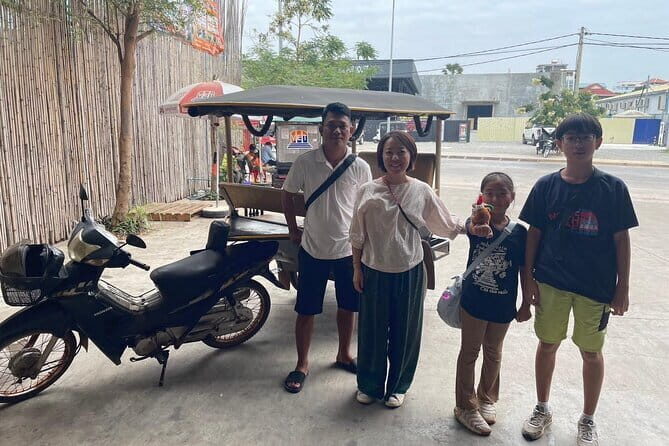
I really like two things: the early starts that help you see major sites before they get crowded, and the human comfort touches that keep the day from feeling like a slog. In standout examples from recent groups, driver Sol showed up with chilled water and a soothing lemon-scented cold cloth, while guide Paul kept the pace matched to people’s energy without skipping the important bits.
One thing to plan for: the big tickets cost extra. The 3-day temple pass and the Phnom Kulen ticket aren’t included, and you’ll also want to budget for optional add-ons like the Landmine Museum. Heat and walking are real here too, so this works best if you’re okay with sun protection and taking it step by step.
In This Review
- Key Highlights You’ll Actually Care About
- Three Days in Siem Reap: A Busy Plan That Still Feels Sensible
- Morning Crowds’ Worst Enemy: Getting to Banteay Srey Early
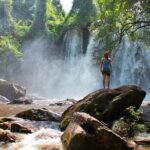
- Phnom Kulen National Park: Where Angkor’s Story Starts
- Kampong Phluk on Tonle Sap: Floating Village Life That Feels Real
- Angkor Thom and the Smaller Stops: The Logic Behind the Big Names
- Ta Prohm and Banteay Kdei: Ruins That Look Like a Movie Scene
- Sunrise at Angkor Wat: Then a Personal Explore, Not a Stampede
- Price and Logistics: What You’re Paying For, and What You Still Need to Budget
- What to Bring (and Wear) for Hot Temple Walking
- Who This Tour Fits Best
- Should You Book This 3-Day Angkor Wat + Phnom Kulen Tour?
- FAQ
- FAQ
- What time is pickup for each day?
- Are the 3-day temple tickets included?
- Do I need a ticket for Phnom Kulen?
- Is the Landmine Museum included?
- What’s included in the tour price?
- What should I bring and wear for the temples?
- Is it a private group, and what about cancellation?
Key Highlights You’ll Actually Care About
- Banteay Srey’s carving detail: the kind of stonework where you notice new faces and patterns as you circle the temple.
- Phnom Kulen’s spiritual backstory: King Jayavarman II’s linga cult begins in 802 AD, and that religious shift is part of why the mountain matters.
- Kampong Phluk on Tonle Sap: floating village life gives you a view of Cambodia that feels totally different from the temple complex.
- Ta Prohm, famous for Tomb Raider scenes: you get the dramatic “trees and ruins” look that’s instantly recognizable.
- Angkor Wat sunrise plus a later slow explore: an early start gets you calmer viewing, then you still have time to linger.
Three Days in Siem Reap: A Busy Plan That Still Feels Sensible
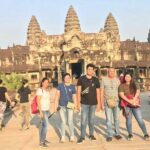
This tour runs for 3 days with hotel pickup in Krong Siem Reap and a private group setup. The schedule is packed, but the pacing is designed around temple timing: early mornings for cooler light and fewer people, then breaks where it makes sense. You’ll be in a car with a driver and a fully licensed English-speaking guide, and you should feel supported rather than rushed.
Transport matters in Angkor. Distances add up, especially when you’re bouncing between big gates, smaller circuits, and then out toward Phnom Kulen and Tonle Sap. Having a dedicated driver and fuel included keeps you from spending energy on logistics you could spend on photos and shade.
Also, this is set up for reading the sites with help. You’ll get explanations tied to what you’re seeing on the ground—carvings, layouts, and symbolism—so the temples stop being just impressive shapes and start making more sense as you walk.
Other Angkor Wat temple tours we've reviewed in Siem Reap
Morning Crowds’ Worst Enemy: Getting to Banteay Srey Early
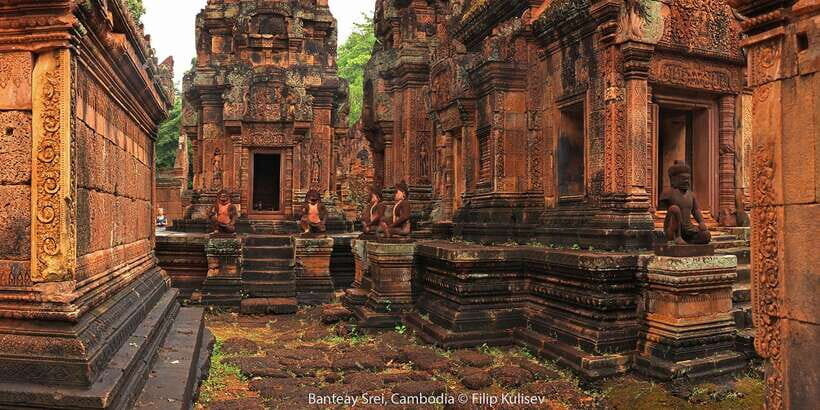
Day one starts with pickup around 7:30 AM, then you buy your 3-day temple pass before heading to Banteay Srey early enough to reduce the crowd crush. That first move is smart. It means your best “slow looking” temple happens when the light is softer and the paths feel manageable.
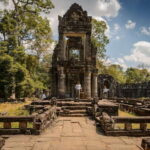
Banteay Srey is the standout early temple because it’s known for intricate stone carving. The point isn’t only that it’s pretty; it’s that you’ll be able to see the details without fighting for space. You get views of traditional Khmer villages and palm sugar plantations on the road, so the day feels like more than a direct sprint to the ruins.
After Banteay Srey, you have an optional stop: the Landmine Museum (admission not included). If you choose it, it adds context to Cambodia’s more recent history, and it’s also a reminder that “heritage” isn’t just ancient stone. If you’d rather keep energy for Phnom Kulen, you can skip it and go straight to the national park.
A nice bonus in this early segment is comfort. Mineral drinking water and cold handkerchiefs are included, and you’ll want that help because the sun ramps up quickly once you’re out walking in open areas.
Phnom Kulen National Park: Where Angkor’s Story Starts
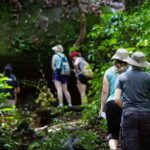
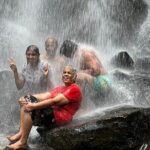
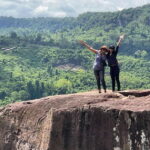
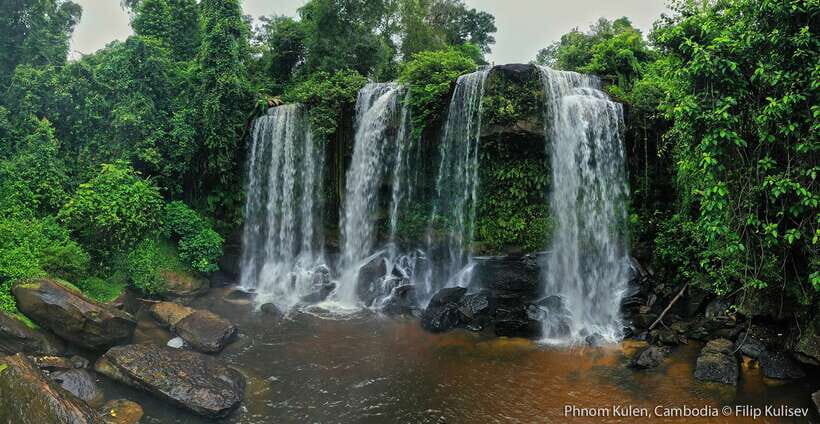
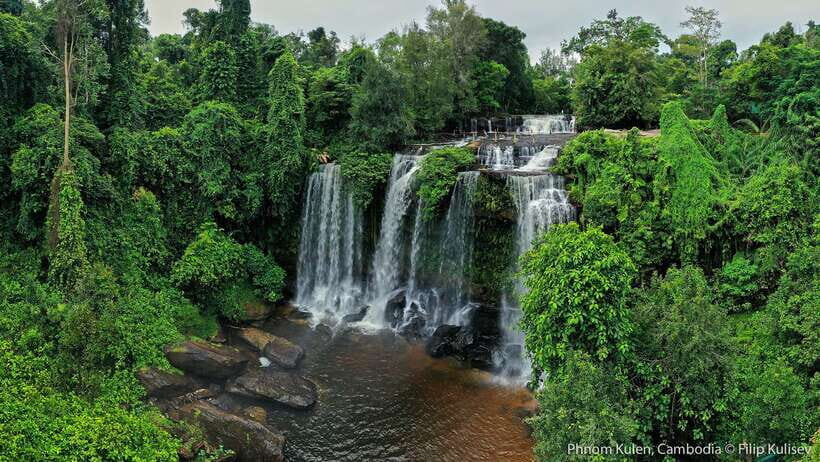
Phnom Kulen National Park is one of those places that changes how you understand Angkor. This is the mountain where the long age of Angkor is said to begin, and it’s also tied to King Jayavarman II initiating the royal “God of the King” linga cult in 802 AD. In plain terms: you’re not just visiting another scenic spot. You’re visiting an origin point.
From Siem Reap, the drive itself is part of the experience. You’re trading the flat temple map for a more mountain-feeling setting, which helps your brain reset after concentrating on stone complexes. The timing also matters, because you’ll want enough daylight to make the most of the park without feeling like you’re chasing minutes.
The tour keeps Phnom Kulen as an important middle-day chapter rather than a quick side stop. That gives you a better chance to appreciate why the mountain earned its spiritual reputation—especially when a guide points out what connects the geography to the religious ideas tied to royal power.
Then comes the switch to an everyday-life Cambodia moment: Kampong Phluk on Tonle Sap Lake.
Kampong Phluk on Tonle Sap: Floating Village Life That Feels Real
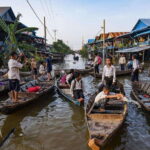
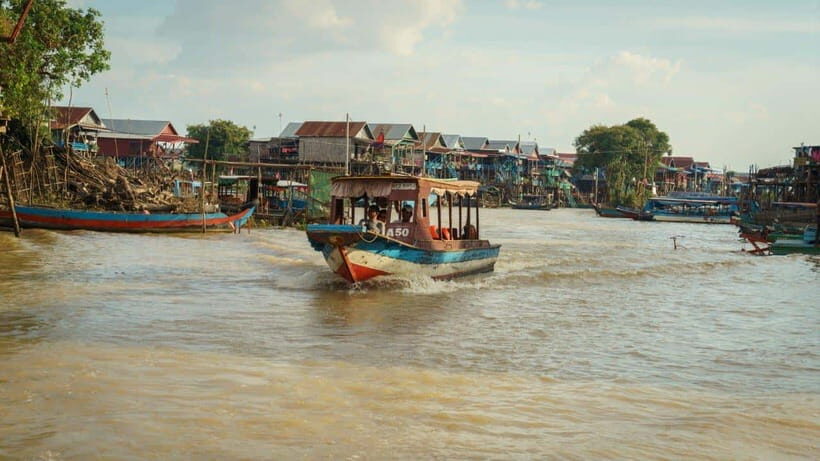
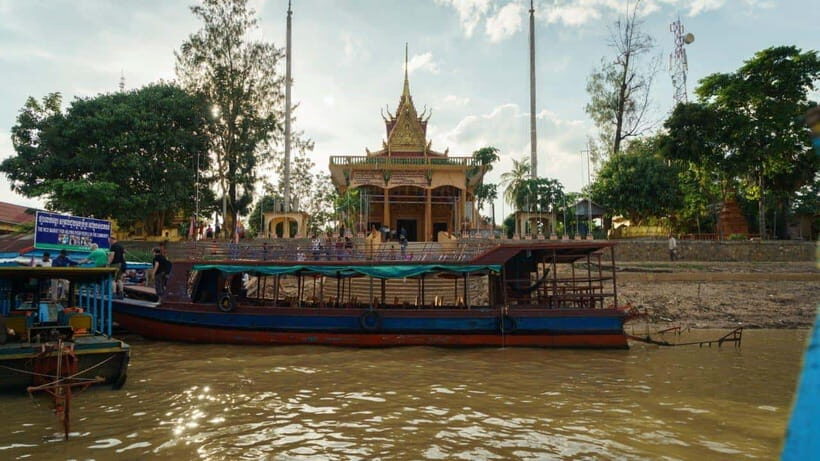
Day one ends at Kampong Phluk, a floating village on Tonle Sap Lake. This stop is valuable because it stops the whole trip from becoming a single-theme experience. Temples give you grandeur; Tonle Sap gives you rhythm, work, and daily life shaped by water.
The floating village view can be surprising even if you thought you understood what Cambodia’s lake life looked like. The best part is how different the sights and pacing feel compared to Angkor. Even if you’re only there for part of the day, it adds an emotional contrast that makes the temples hit harder later.
If you’re the kind of person who likes mixing big landmarks with local scenes, this is a good balance. And if you’re traveling with kids or anyone who needs variety, this is often the part that keeps everyone engaged because it’s not “yet another ruin.”
Angkor Thom and the Smaller Stops: The Logic Behind the Big Names
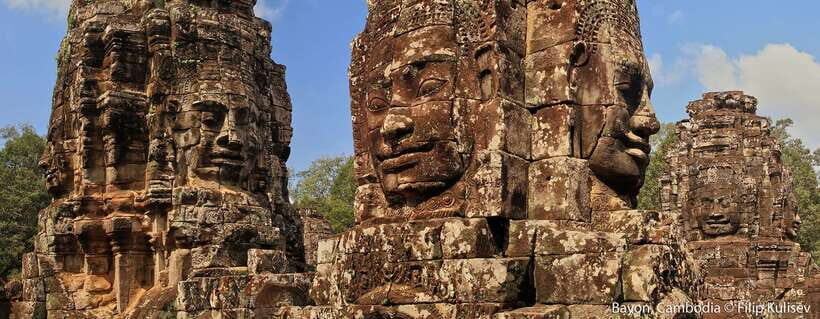
Day two starts around 8:00 AM and takes you through Angkor Thom, including the South Gate, Bayon, Baphuon, Phimeanakas, and major terraces like the Terrace of the Elephants and the Terrace of the Leper King. You’re also visiting Khleang buildings and other key areas, plus a set of smaller temples in the “small circuit.”
This is the day where the tour really helps you read Angkor as a system. The large gates and central monuments are dramatic, but the side structures are where you start noticing how the complex was planned. A good guide can point out what to look for, so you don’t walk past carvings thinking they all look the same.
After lunch, you shift into temples that are famous for mood as much as for structure. Chau Say Tevoda, Thommanon, and Ta Keo give you variety in design, then you move toward the jungle temple Ta Prohm.
Other multi-temple archeological tours we've reviewed in Siem Reap


Ta Prohm and Banteay Kdei: Ruins That Look Like a Movie Scene
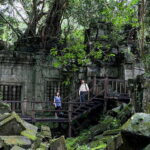
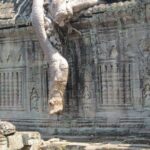
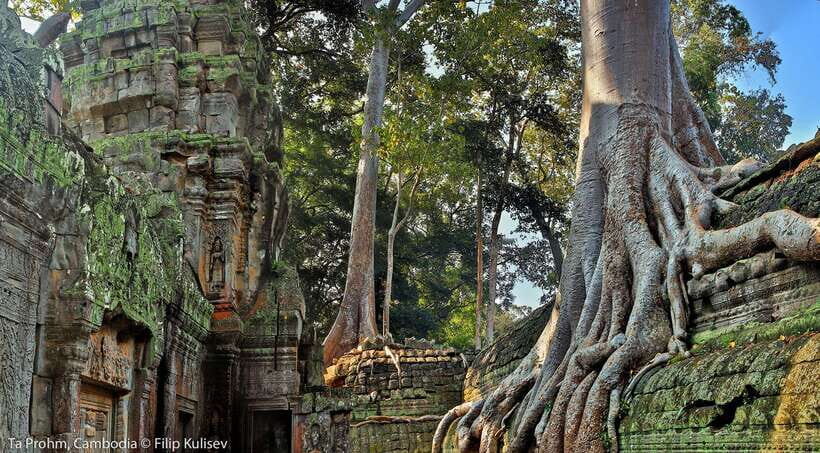
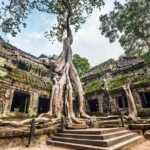
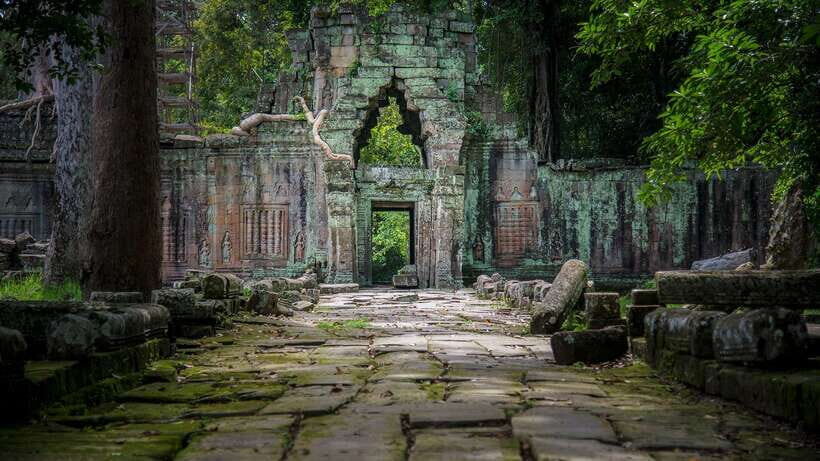
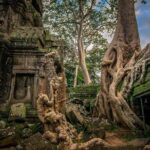
Ta Prohm is the temple people recognize instantly, partly because it’s tied to movie filming. The famous look—tree roots around stone—makes it feel alive, and you get time in a place that’s visually more “chaotic” than the clean symmetry of other temples. That contrast is exactly why Ta Prohm works well in this kind of tour: it changes the pace and mood.
Then you go to Banteay Kdei, a Buddhist temple that’s calmer and more meditative in feel. This stop adds spiritual variety after the heavier, more iconic Angkor imagery. It’s also where you benefit from free time. You get room to explore at your own pace rather than being herded nonstop.
As the day closes, you’re heading to Phnom Bakheng in time for sunset. Sunset views at Angkor are a reason people come to Cambodia in the first place, and catching it from the right vantage helps you avoid feeling like you arrived too late. This part is worth saving your energy for, because the walking is real even when the reward is worth it.
Sunrise at Angkor Wat: Then a Personal Explore, Not a Stampede
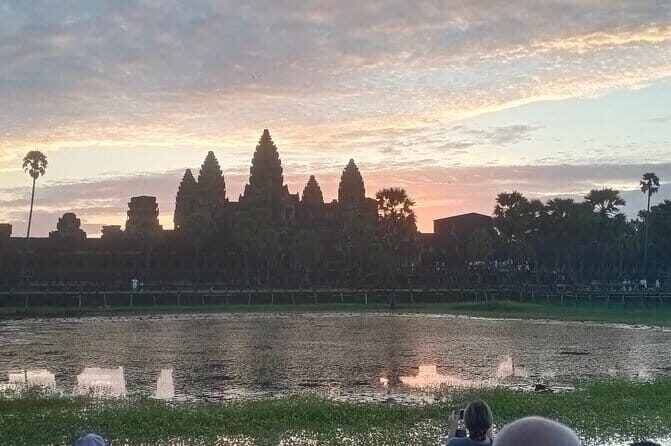
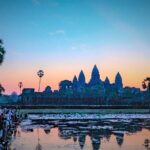
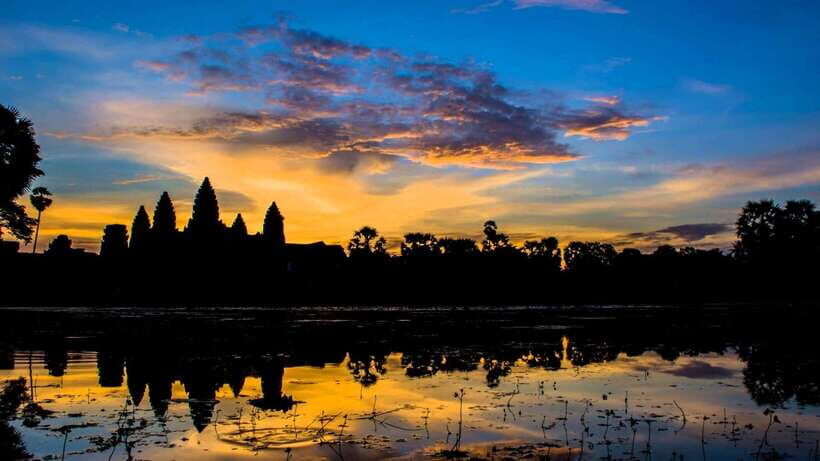
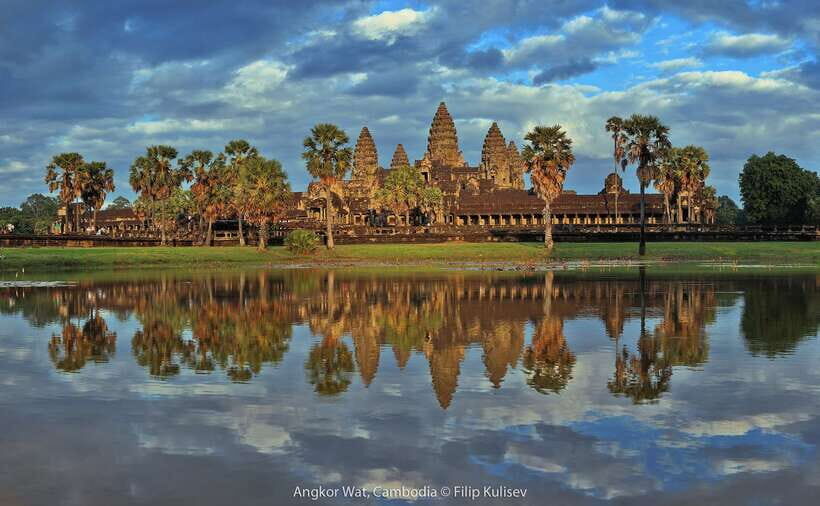
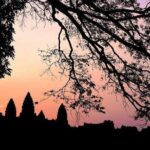
Day three is the big early day. Pickup is around 5:00 AM so you can catch sunrise at Angkor Wat. That’s early enough to beat the worst crowd surge, especially at prime photo times. The payoff is that you see Angkor Wat in softer light, when the temple’s scale feels almost unreal.
You’ll get a bit of guided interpretation first, then you shift into your own time. One of the best parts of this tour style is that it doesn’t turn sunrise into a 20-minute checklist. After the initial viewing, you’re able to explore with your guide still close enough for questions and with time to actually look.
This is where guide quality shows. Recent experiences highlight guides like Paul and Samuth for balancing facts with practical attention—adapting pace to abilities, pointing out details you’d likely miss on your own, and setting you up for great photo moments. If photography is your thing, you may also run into someone like Hear Praim, who’s known as a top photographer in the group feedback.
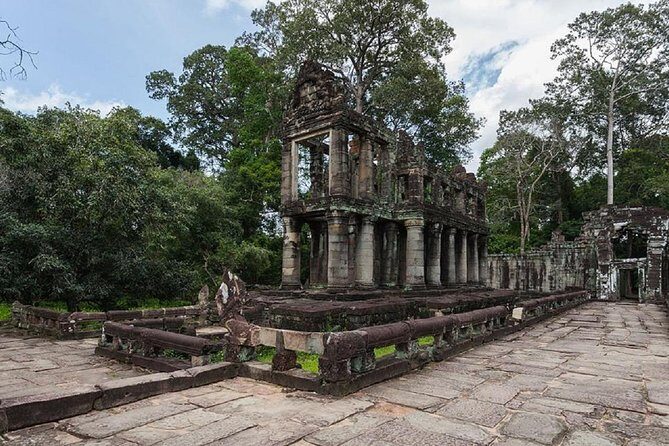
After sunrise time, the tour continues with more temples: Pre Rup and Banteay Samre. Then after lunch, it adds East Mebon, Ta Som, Neak Pean, and Preah Khan.
By this point, the magic is in how you connect the dots. You start recognizing styles and motifs, and your brain stops treating each temple like a brand-new puzzle. Instead, it becomes a guided comparison—how different kings and eras shaped what you’re seeing in stone.
On the way back to your hotel, you may pass through local villages and have a chance to stop for photos. Those small roadside moments are underrated. They break up the concentration and remind you you’re in a living region, not a museum only made of ruins.
Price and Logistics: What You’re Paying For, and What You Still Need to Budget
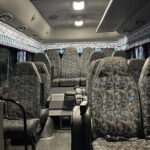
The price is $336 per group up to 3 for 3 days. For a private setup with an English-speaking guide, driver, vehicle (mini Lexus RX300 or Mercedes Istana minivan), fuel, bottled mineral water, and cold handkerchiefs, it’s a strong value if you want comfort and efficiency. You’re paying for time saved and reduced stress, which matters a lot with Angkor’s early mornings.
Two costs are not included:
- the Phnom Kulen ticket
- the 3-day temple pass
There’s also the optional Landmine Museum admission (listed at $5) if you want that extra layer.
When I think about value here, I focus on this: this is not just transportation. The schedule is structured around timing and the guide is used where it helps—showing carvings, explaining layout, and helping you make sense of what you’re looking at. If you’d rather learn from your own reading and YouTube, you might find the talk level isn’t as heavy as a full classroom session. Still, you do get interpretive explanations tied to the site in front of you, which is the part that feels hard to replicate alone.
What to Bring (and Wear) for Hot Temple Walking
This tour is suitable for all ages, but it still demands basic planning. You’ll be out in hot weather for most of the year, walking on uneven surfaces and spending time under sun that doesn’t care about your timetable.
Bring:
- Comfortable shoes
- Sunscreen
- Insect repellent
Dress appropriately: shoulders, knees, and chest should be covered for both genders. It’s not only respectful; it’s also practical, because it helps you avoid the worst sunburn while you’re moving between open and shaded areas.
Staying hydrated is non-negotiable. Mineral drinking water is included, and cold handkerchiefs help a lot during breaks. If rain is in the forecast during your season, umbrellas are included, which saves you from buying something you’ll never use again.
Who This Tour Fits Best
This is a good match if you want:
- a private group pace instead of bouncing around with a bigger crowd
- early mornings for sunrise and best light
- a mix of temples plus nature plus daily-life culture (Phnom Kulen and Tonle Sap)
- a guide who can adjust the pace to your comfort level
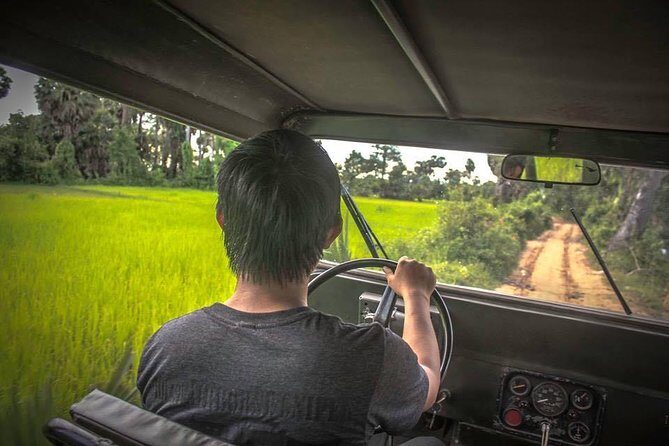
It also works well if you’re traveling with kids or anyone who needs smoother transport. Group feedback highlights how drivers can handle off-road transitions smoothly and how the day stays manageable with a helpful guide.
If you love traveling so independently that you prefer building your own route from scratch, you might find the guided route feels structured. But if you want to reduce planning time and get the most out of a short stay in Siem Reap, this is a practical choice.
Should You Book This 3-Day Angkor Wat + Phnom Kulen Tour?
Book it if you’re doing Angkor for the first time and you want a smart mix: Banteay Srey, Ta Prohm, Angkor Thom, and the key sunrise moment at Angkor Wat—plus Phnom Kulen’s spiritual backstory and Tonle Sap floating village life.
Skip or rethink it if your trip style is mostly self-guided and you don’t want to pay for a guide’s interpretation. Also reconsider if you hate heat and long days; you’ll be outside a lot, and the temples require steady walking even when someone else is driving.
If you do book, I’d plan like this: wear shoes you can trust, keep sunscreen accessible, and treat the sunrise day as the main event. Everything else is great, but sunrise sets the tone.
FAQ
FAQ
What time is pickup for each day?
Day one pickup is suggested for 7:30 AM, day two pickup is 8:00 AM, and day three pickup is 5:00 AM to catch sunrise at Angkor Wat.
Are the 3-day temple tickets included?
No. The 3-day temple ticket is not included, and you’ll purchase it before visiting Banteay Srey.
Do I need a ticket for Phnom Kulen?
Yes. Admission for Phnom Kulen is not included, so you’ll need a separate ticket.
Is the Landmine Museum included?
No. You have the option to visit, but the Landmine Museum admission is not included and costs $5.
What’s included in the tour price?
You get a car or minivan with gasoline and driver, a fully licensed English-speaking tour guide, pure mineral drinking water, and cold handkerchiefs. Umbrellas are included during the rainy season.
What should I bring and wear for the temples?
Bring comfortable shoes, sunscreen, and insect repellent. Dress with covered shoulders, knees, and chest for both genders, and stay hydrated since it can be hot most of the year.
Is it a private group, and what about cancellation?
It’s a private group. You can cancel up to 24 hours in advance for a full refund, and you can reserve now and pay later to keep plans flexible.