REVIEW · SIEM REAP
Ultimate Angkor Wat Sunrise, Bayon, Ta Prohm Temple
Book on Viator →Operated by Angkor Pro Travel · Bookable on Viator
Sunrise at Angkor Wat makes time feel different. This ~7-hour Angkor National Park run mixes early light, big-name temples, and jungle atmosphere with air-conditioned comfort and a real English-speaking guide. If you like seeing iconic monuments without getting lost in the logistics, this one is built for you.
I really like two things right away: the professional English tour guide and the smooth hotel pickup and drop-off that keeps the day on track. My experience felt well managed even when our guide was a few minutes late; the operator met me right at pickup timing, and Tuk-tuk driver D rolled us out fast once he arrived.
One thing to plan around: the $13 tour price does not include the Angkor Pass (listed as $37 per person), and meals aren’t included either. If you’re budgeting tightly, you’ll want to add those costs up before you go.
In This Review
- Key points before you go
- Why this tour starts at 4:20 am
- Angkor Wat at dawn: the world’s biggest religious monument, up close
- Angkor Thom energy: moving from sunrise to the Royal Bath area
- Bayon Temple: 54 towers and over 200 smiling stone faces
- Ta Prohm: the Tomb Raider temple and why the roots matter
- What the $13 price really means (and the costs you must add)
- Pickup, transport, and the private-group feel
- Admission, tickets, and the mobile ticket detail
- What to expect during the 7 hours
- Who this tour is best for
- Should you book this Ultimate Angkor Wat Sunrise tour?
- FAQ
- What time does the tour start?
- Is the Angkor Pass included in the $13 tour price?
- What’s included with the tour?
- Do I need to pay for breakfast or other food?
- Can I cancel and get a refund?
- Is the tour suitable for most travelers and are service animals allowed?
Key points before you go

- 4:20 am start means you’ll be awake and moving early, so plan your night accordingly.
- Angkor Pass is separate: the tour price is only part of what you’ll pay for entry.
- English guide + air-conditioned transport make temple-hopping easier and less exhausting.
- Bayon Temple’s 54 towers and 200+ faces are the emotional center of Angkor Thom.
- Ta Prohm’s tree roots deliver that dramatic nature-meets-stone feeling without rushing.
- Private, just-your-group format keeps the pacing focused on your group.
Why this tour starts at 4:20 am

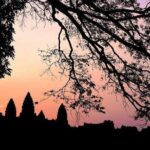
This experience is timed for Angkor Wat sunrise, with your adventure starting around 4:20 am. That early departure matters because the temples look and feel completely different when the light is low and the day is just waking up.
It also helps you do the big three without spending hours coordinating tuk-tuks on your own. You’re not stuck figuring out routes, ticket points, and timing across different temple zones.
If you’re not a morning person, that’s the trade-off. You’ll get a long day, and you’ll want to be ready for early pick-up instead of rolling out at your own pace.
Other Angkor Wat sunrise tours we've reviewed in Siem Reap

Angkor Wat at dawn: the world’s biggest religious monument, up close
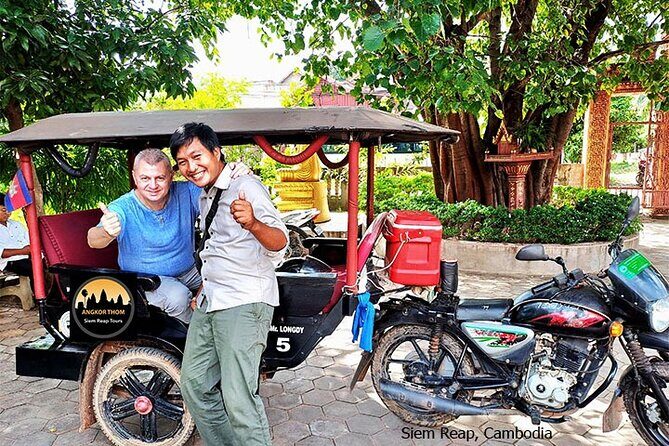
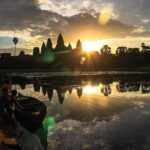
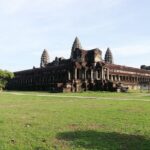
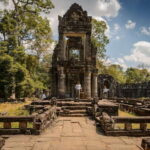
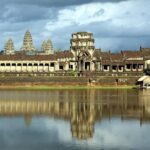
The core highlight is your first temple moment: Angkor Wat at sunrise. You’ll see it as the park’s early-12th-century landmark—described as the world’s largest religious monument—with grand architecture and intricate carvings.
Even if you’ve seen photos before, the scale hits differently in person. From ground level, those layers of stone detail and the geometry of the complex are easier to read when the day isn’t fully bright yet.
Timing here also shapes your experience. Because you’re arriving at the start of the day’s temple rhythm, you spend more of your time looking at the monument and less time reacting to the heat that builds later.
One practical note: admission is not included. The Angkor Pass is listed separately, so confirm you’ve got it ready before you expect entry.
Angkor Thom energy: moving from sunrise to the Royal Bath area
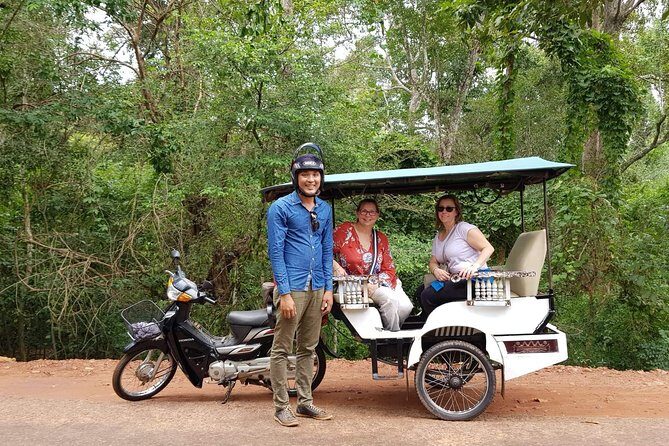
After Angkor Wat, the tour shifts into Angkor Thom territory. This is where the atmosphere turns from open sunrise vistas to dense, enclosed stone spaces and thick temple corridors.
One stop in this zone is Srah Srang, also called the Royal Bath. You’ll pause here for about an hour and breakfast is part of the plan, but not included—breakfast is at your own account at a local restaurant near Srah Srang.
Why this works: you get a structured break in the middle of a long morning. You’re not scrambling for food while temples are on your mind, and you can refuel without turning the whole day into a series of meal errands.
Keep expectations realistic here. This isn’t a long scenic lounge stop. It’s a quick reset so you can stay sharp for Bayon and Ta Prohm.
Bayon Temple: 54 towers and over 200 smiling stone faces
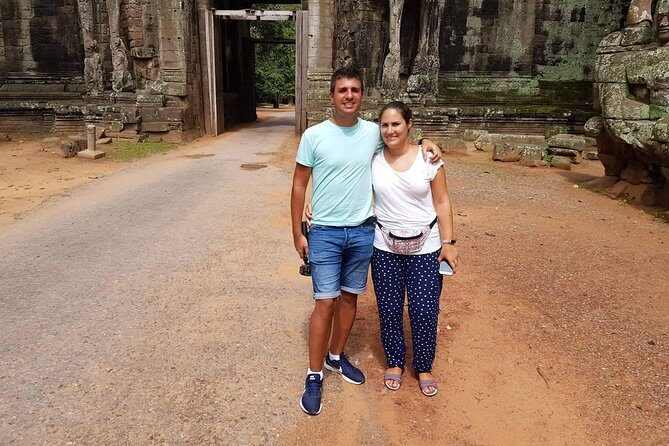
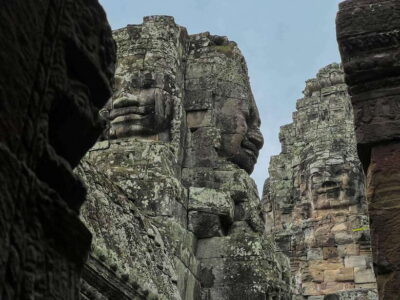
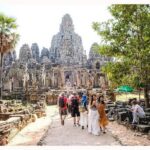
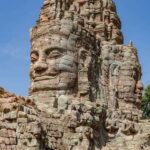
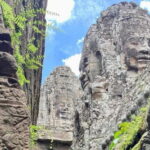
Next up is Bayon Temple, one of the most memorable parts of the Angkor complex. The big visual cue is the 54 towers covered in over 200 smiling stone faces, representing King Jayavarman VII.
This is the temple where your eyes keep moving even after you think you’ve seen it all. The faces are positioned so different angles feel like a new view every few steps—part temple symbolism, part optical trick.
The late-12th-century Buddhist identity is also worth noticing as you walk. You’re not just chasing statues; you’re experiencing a temple that’s meant to be read from multiple directions, like the stone is quietly watching you back.
At this stop, the pacing is important. You get about an hour, which is long enough to climb and look around without turning Bayon into a stamina contest.
If you like guides, this is where an English-speaking explanation pays off. Even simple context—who those faces represent and why the design looks the way it does—makes your photos feel more meaningful later.
Ta Prohm: the Tomb Raider temple and why the roots matter
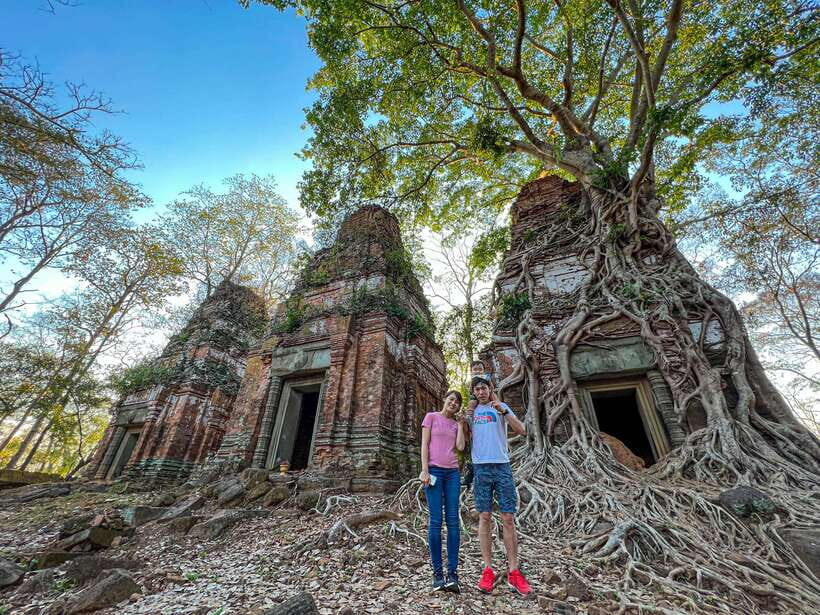
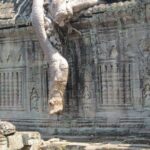
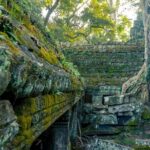
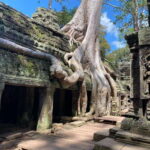
The final major temple is Ta Prohm, often called the Tomb Raider temple because of its famous cinematic look. Here, the star effect is nature’s interference: massive tree roots intertwined with old stone.
Your visit is about an hour, and that time is a good match for Ta Prohm’s style. You want time to spot root patterns, doorway views, and the way the temple framing works when you’re surrounded by living growth.
This stop also balances the day. After Angkor Wat’s formal grandeur and Bayon’s face-filled intensity, Ta Prohm feels more like a landscape—temple as setting, stone as shelter for trees.
One thing to keep in mind: Ta Prohm can be visually busy. If you’re the kind of person who likes to take time and really look, slow down. If you’re rushing for the next photo, you’ll miss the fun details where roots and carvings braid together.
Other Angkor Wat temple tours we've reviewed in Siem Reap

What the $13 price really means (and the costs you must add)

The headline price is $13.00 per person, which is low for a tour that includes a guide and hotel pickup. But here’s the honest math: entry fees are not included, and the Angkor Pass is listed at $37.00 per person.
That means your practical “starting point” for the temples is closer to $50 total per person for the tour + pass—before you add food and drinks. Meals are not included, and breakfast at Srah Srang is specifically at your own account.
So is it still good value? Yes, if you want:
- A guided circuit through major temples
- Air-conditioned transport (not just a random tuk-tuk ride)
- English explanations that help you understand what you’re looking at
- Pickup and drop-off that saves you time and stress
If you already plan to buy an Angkor Pass anyway and you’re comfortable doing temples on your own, then the tour price alone might feel less exciting. But if you want the day to run smoothly, that $13 buys convenience and interpretation.
Pickup, transport, and the private-group feel
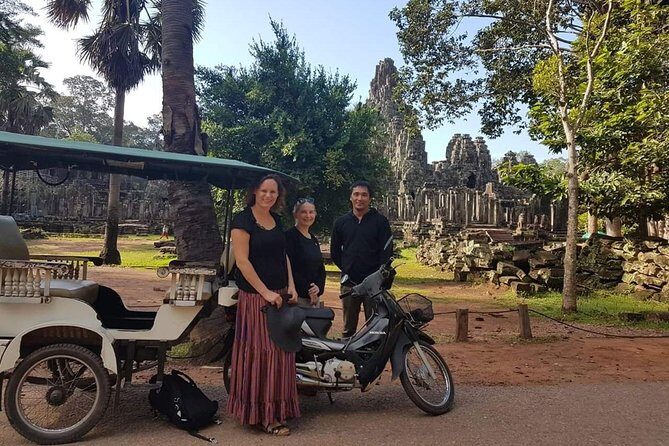
This experience includes hotel pickup and drop-off and a private transportation setup using an air-conditioned vehicle. You’re also assigned a professional English tour guide, which is a huge quality-of-life factor at Angkor.
The tour format is listed as private, meaning it’s just your group. That matters because it can reduce the stop-and-wait feeling you get in large group tours.
In my experience, the operator coordination made a difference. Even when our guide was a few minutes late, the pickup team was on it, and we started moving quickly once Tuk-tuk driver D arrived.
That kind of coordination matters in the early morning hours. When you’re leaving the hotel at dawn, small delays feel bigger, and this is where a well-run operator earns their keep.
Admission, tickets, and the mobile ticket detail
The tour uses a mobile ticket feature, which is convenient because you’re not juggling paper. Still, the big ticket item is the Angkor Pass, which is explicitly listed as not included.
The best move is simple: buy or confirm your Angkor Pass ahead of time so you’re not stuck waiting at the temple gate. The tour runs on a sunrise-to-temple schedule, so you don’t want the day to get pulled off rhythm by ticket delays.
Also note the schedule includes admission timing at multiple stops. You’ll want to treat the pass as your master key for the whole day.
What to expect during the 7 hours
The whole experience is listed as approximately 7 hours, and the stops are tight enough to feel like a full classic circuit.
A typical flow looks like:
- Early departure for Angkor Wat sunrise (with time at the monument)
- Srah Srang for a breakfast stop nearby (your own account)
- Bayon Temple for towers and smiling faces
- Ta Prohm for the roots-and-stone scene
- Return to your starting point area / hotel area for drop-off
This isn’t a slow wander tour. It’s structured for people who want to see multiple headline temples without spending the entire day on transport.
That also means you’ll benefit from energy-saving habits. Wear comfortable shoes, keep water handy, and think through how you’ll handle sun and humidity once the day ramps up.
Who this tour is best for
This tour is a strong fit if you:
- Want a guided, English-led Angkor day without reading a map like it’s a second job
- Like the combination of Angkor Wat + Angkor Thom + Ta Prohm in one schedule
- Prefer air-conditioned transport and hotel pickup
- Are traveling with a group and want the private format
It’s also a good choice for first-timers who want the “greatest hits” without turning the day into trial-and-error.
If you’re an ultra-photographer who plans to spend hours at one monument, this route might feel a bit time-boxed. But for most people, the pacing is exactly right.
Should you book this Ultimate Angkor Wat Sunrise tour?
I’d book it if your priority is a well-run day built around Angkor Wat sunrise, guided context at Bayon, and the nature-heavy photo moments at Ta Prohm—with pickup, air-conditioned transport, and a guide who can explain what you’re seeing.
Skip it or rethink if you’re on a strict budget and you’d rather spend that money independently. Because once you add the $37 Angkor Pass plus meals, your total spend rises quickly. In that case, you might decide whether you’re paying mainly for convenience and language support.
My practical verdict: this is a solid “see the big stuff, understand it, and get back to your hotel” option. Just make sure the Angkor Pass and your food budget are in place before you go, so sunrise isn’t the only thing you’re waking up for.
FAQ
What time does the tour start?
The tour starts at about 4:20 am for the sunrise experience, and it runs for approximately 7 hours total.
Is the Angkor Pass included in the $13 tour price?
No. The Angkor Pass is listed as $37 per person and is not included in the tour price.
What’s included with the tour?
Included features are hotel pickup and drop-off, a professional English tour guide, an air-conditioned vehicle, and private transportation.
Do I need to pay for breakfast or other food?
Yes. Foods and drinks are not included, and breakfast near Srah Srang is at your own account.
Can I cancel and get a refund?
No. This experience is non-refundable and cannot be changed for any reason.
Is the tour suitable for most travelers and are service animals allowed?
The tour lists service animals allowed and says most travelers can participate.