REVIEW · SIEM REAP
3-Day Exploring Angkor Wat & Siem Reap Highlights Tour.
Book on GetYourGuide →Operated by Angkor Visitor Tour · Bookable on GetYourGuide
The hardest part is waking up early. This 3-day private tour blends Angkor Wat sunrise, wide-open nature at Phnom Kulen, and the everyday rhythms of life on Tonle Sap, all with hotel pickup and an English-speaking guide.
I especially liked the way it structures the day around big moments: sunrise at Angkor Wat on Day 1 and the floating village boat ride at Kompong Phluk on Day 3. One thing to consider: entrance fees and meals are not included, so your budget needs a little extra room once you start adding gate tickets.
In This Review
- Guides make the difference here
- Key things I’d pay attention to
- Sunrise at Angkor Wat: getting it right early
- Ta Prohm and Angkor Thom: temples with personality
- Day 2: Banteay Srei’s carvings and Phnom Kulen’s sacred nature
- Banteay Srei: pink sandstone, fine detail
- Phnom Kulen National Park: a break from crowds
- Beng Mealea: unrestored and wonderfully chaotic
- Day 3: Kompong Phluk on Tonle Sap, then Wat Thmei
- Kompong Phluk floating village: boat time you can feel
- Wat Thmei: a hard history stop in the same day
- What the tour includes (and what you should budget)
- Logistics that actually matter: timing, comfort, and expectations
- Who this private tour suits best
- Should you book this 3-day Angkor Wat and Siem Reap highlights tour?
Guides make the difference here
This is one of those tours where your guide shapes the whole experience. In recent bookings, guides like Sok Guia and Prai(m)/Praiɛm stood out for being organized, clear with explanations, and careful on the road—exactly what you want when you’re juggling early starts and multiple temples.
If you’re going in expecting a slow, restful pace, you might find the days full. That said, the itinerary is packed in a sensible order, so you spend less time in transit and more time seeing things that are hard to arrange on your own.
Key things I’d pay attention to
- Sunrise planning at Angkor Wat with a very early pickup time
- A strong mix of temples: Ta Prohm, Angkor Thom, Bayon, and the Terrace of the Elephants
- Pink sandstone at Banteay Srei plus nature breaks at Phnom Kulen
- Beng Mealea’s unrestored jungle feeling, often described as the lost city
- Kompong Phluk by boat with stilted homes, schools, markets, fish farms, and optional flooded-forest canoe time in rainy season
- Wat Thmei’s Khmer Rouge history after the lake day, so the contrast hits emotionally
Other Angkor Wat temple tours we've reviewed in Siem Reap
Sunrise at Angkor Wat: getting it right early

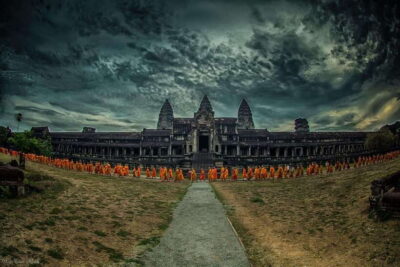
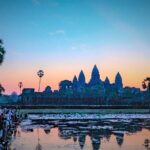
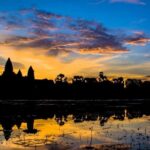
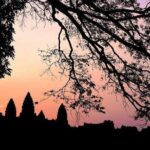
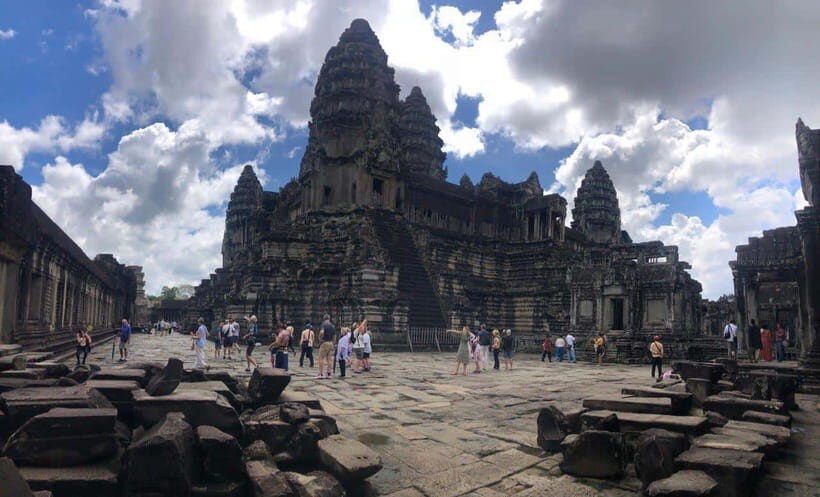
Day 1 starts with a serious early pickup: 4:45AM from your hotel. That timing matters. For Angkor Wat, the first light gives the temple a different mood—less showy, more spiritual. And the tour is built to let you actually enjoy it, not just snap photos and sprint to the next stop.
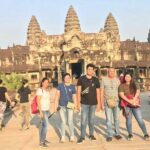
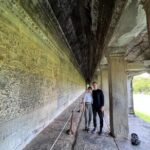
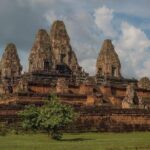
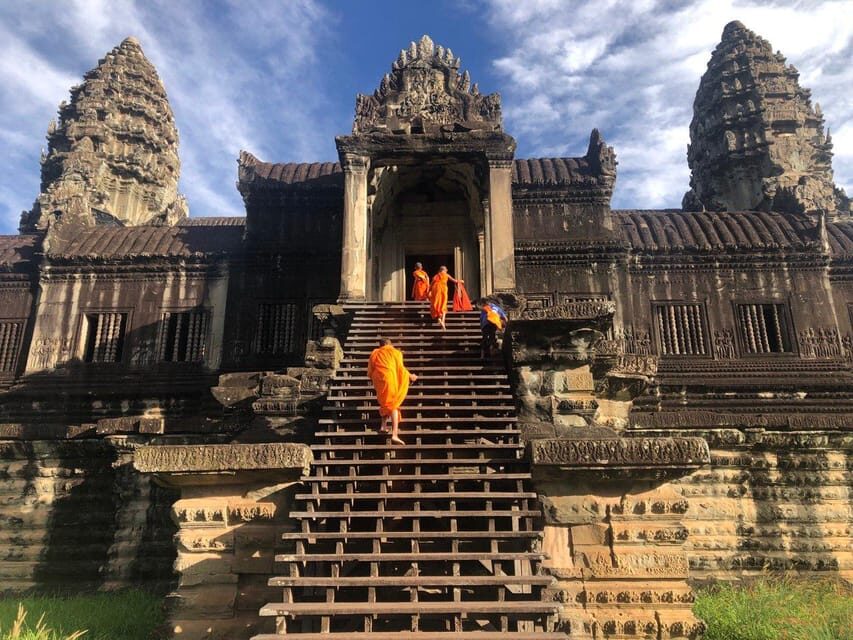
Angkor Wat is the main event, and you’ll have ample time to explore. You’re not just looking at a monument; you’re walking through layers of carved detail—focus points, viewpoints, and the overall grandeur of the layout. The tour also includes skip-the-line access via a separate entrance, which helps you gain time for the parts you’ll care about most.
One practical note: sunrise tours can feel colder at first, then warm up fast. This is a great time to wear comfortable shoes you can keep on for hours. The tour also provides cold drinking water and a wet and cold towel, both of which come in handy after the light-to-heat transition.
Ta Prohm and Angkor Thom: temples with personality
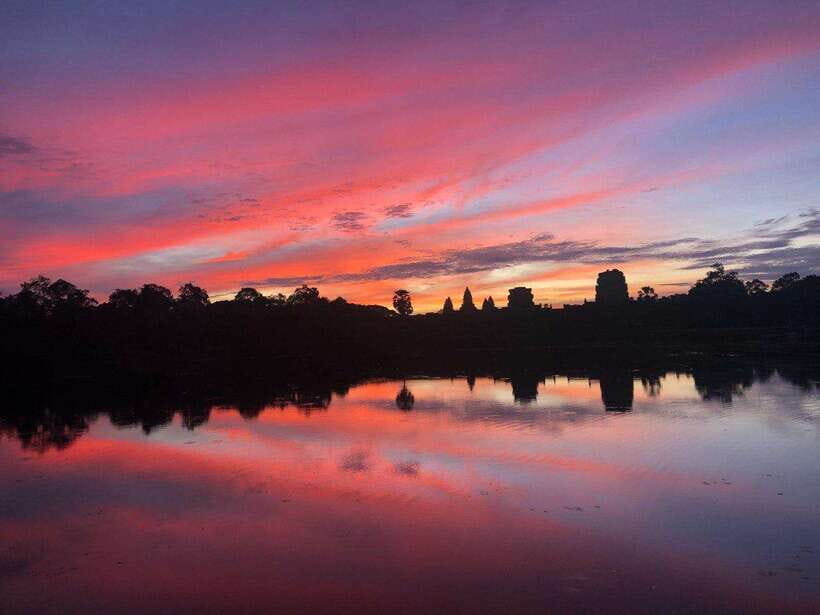
After the sunrise portion, the itinerary stays in the Angkor zone for the rest of Day 1, and it’s a smart pairing.
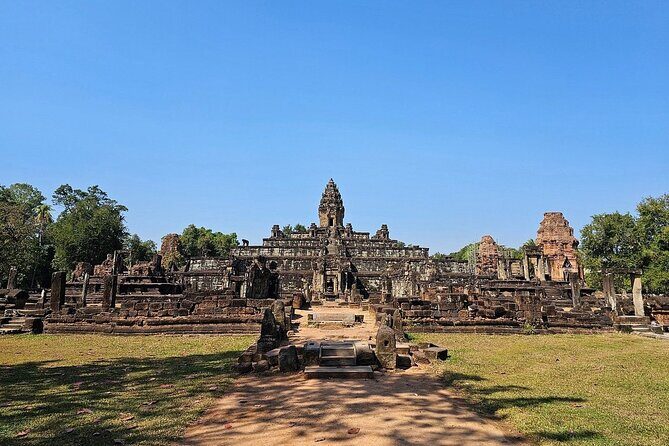
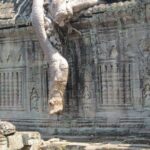
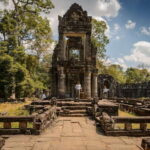
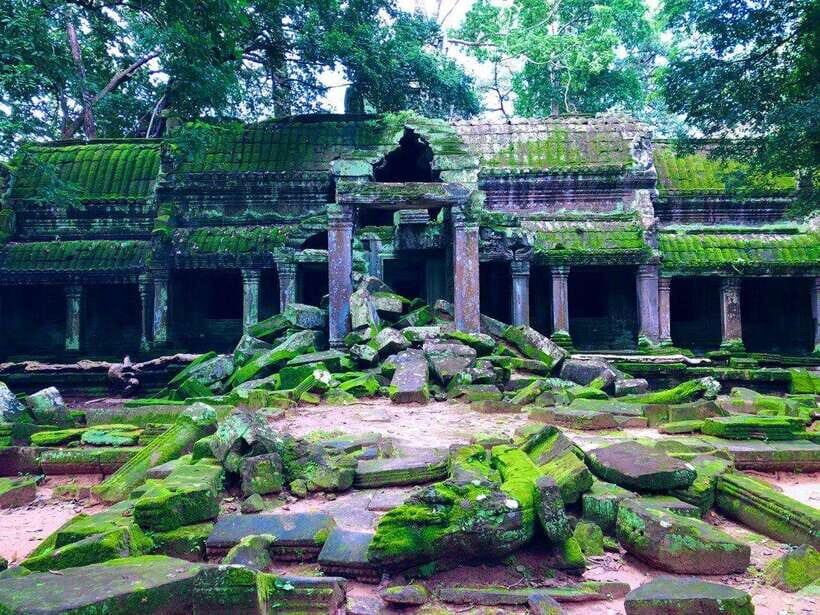
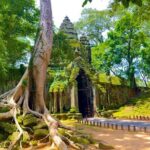
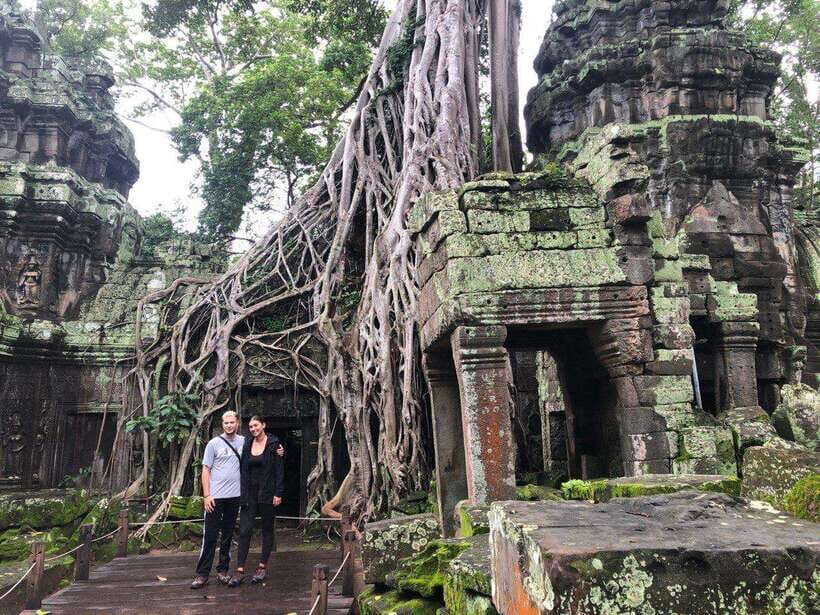
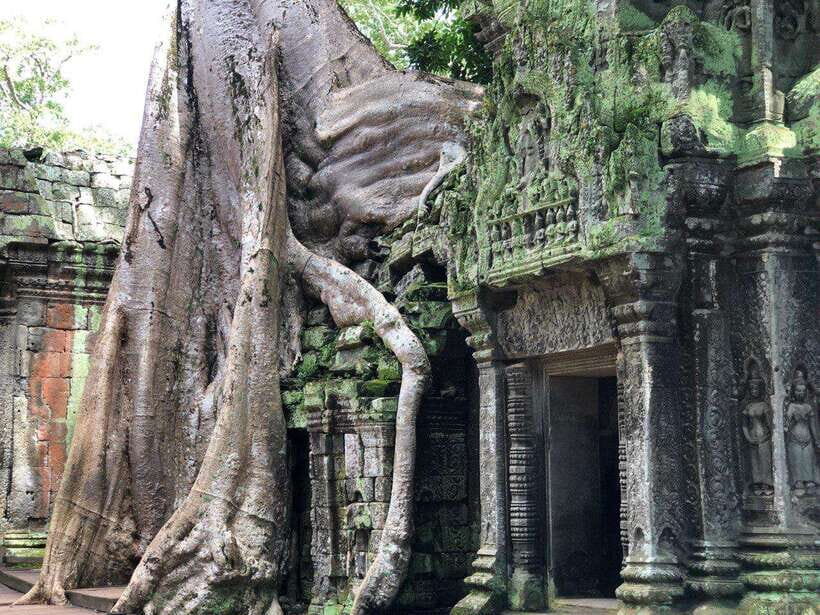
Ta Prohm is the temple most people recognize for the way trees grow into the stone. You get that mystical, half-ruined atmosphere because the place still feels active and wild—like nature is reclaiming the edges. The best way to experience Ta Prohm is slowly: notice how the roots and carvings shape sightlines, and don’t rush your way through the rooms.
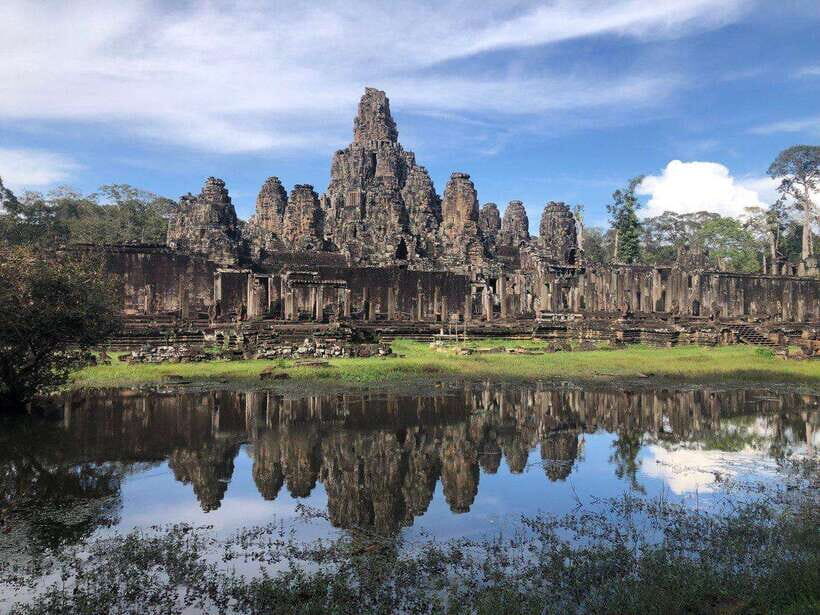
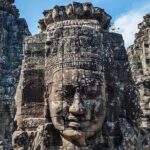
Then you shift to Angkor Thom, the former royal city. The headliner inside is Bayon Temple, known for its many faces. Standing in the right spots makes the expressions feel different as you move. If you like understanding where people gathered and how the city was arranged, this stop gives you that context.
You’ll also visit the Terrace of the Elephants. Even if you don’t spend long there, it’s a strong “read the room” moment—because you can see the intention behind the monumental design and how it would impress visitors.
Day 2: Banteay Srei’s carvings and Phnom Kulen’s sacred nature
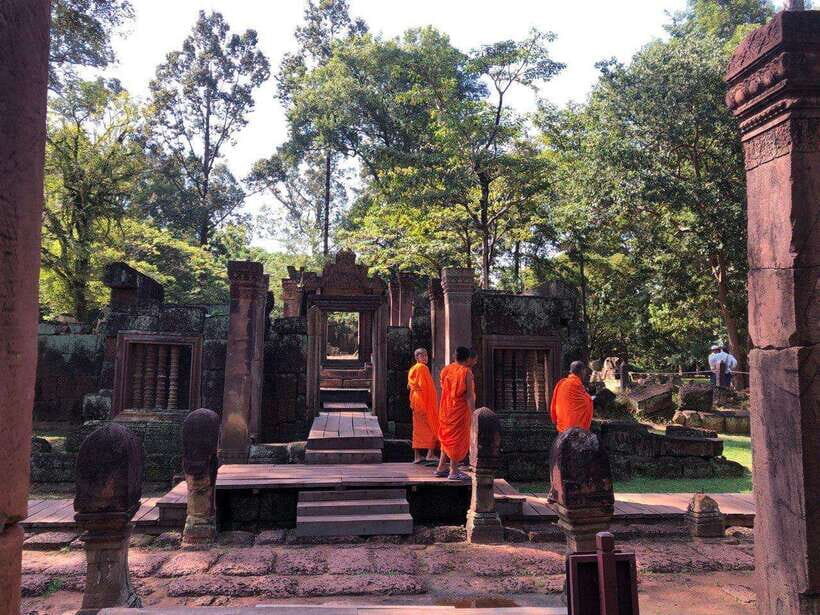
Day 2 pickup is 8:00AM, and you’ll immediately switch from large Angkor landmarks to smaller, more detailed, and more scenic places.
Banteay Srei: pink sandstone, fine detail
Banteay Srei is often called the jewel of Khmer art, and the reason is the material and the craftsmanship. It’s famous for its pink sandstone and the kind of carving work where you have to look twice to fully get it. This is one of those temples where a guide really helps, because they can point out what to look for and explain why certain details mattered to the people who built it.
A few more Angkor & Siem Reap tours and experiences worth a look
Phnom Kulen National Park: a break from crowds
Next comes Phnom Kulen National Park, a sacred mountain area designed for nature and reflection as much as sight-seeing. This is where the tour gets you out of the heaviest temple traffic and into a landscape with a different energy.
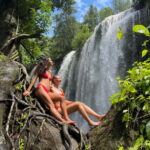
You’ll see the River of a Thousand Lingas, a place that’s visually striking but also spiritually loaded. You’ll also visit the reclining Buddha. Then the day includes time to cool off at the 2-level Phnom Kulen waterfall. Swimwear is listed in the what-to-bring items for a reason—if conditions and timing work, you’ll want the option to actually get in.
Beng Mealea: unrestored and wonderfully chaotic
Last stop of Day 2 is Beng Mealea, about as far from manicured as it gets. This is a completely unrestored temple hidden in the jungle, often called the lost city. That wording fits: it feels less like a museum stop and more like exploring something still wearing the jungle like a coat.
This part of the tour is the one where you’ll want your comfortable shoes most. Paths can be uneven, and you’ll likely spend time stepping around roots, stones, and terrain that isn’t smoothed for visitors.
If you like authenticity over polish, Beng Mealea is the kind of place that makes the whole tour feel different from a standard temple checklist.
Day 3: Kompong Phluk on Tonle Sap, then Wat Thmei
Day 3 pickup is 8:30AM, and you’ll start with one of the most culturally grounded parts of this itinerary.
Kompong Phluk floating village: boat time you can feel
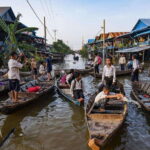
Kompong Phluk sits about 27KM southeast of Siem Reap on the shores of Tonle Sap. It’s a sprawling floating village, and the big idea is how people adapt to lake life. Homes are built on stilts, because the water levels rise and fall.
You’ll take a boat ride of about 1 hour through the village’s waterways. This isn’t just “look at houses.” You’re passing stilted homes, schools, and markets, which helps you understand how daily life works in a place where the environment is always changing.
The tour also includes local home visits for a closer look at everyday routines and the challenges of living on the water. You’ll also see fish farms, including fish raised in floating enclosures. It’s a practical window into the economy of the lake.
One seasonal detail you should know: during the rainy season, you might take part in a canoe through the flooded forest. That’s listed as an option because the conditions change what’s possible, and it’s exactly the kind of moment that makes this stop feel alive rather than staged.
Wat Thmei: a hard history stop in the same day
After the lake and village experience, the tour takes you to Wat Thmei, described as a former Buddhist temple turned killing field during the Khmer Rouge regime. This is an intense, respectful memorial stop.
Placing it on Day 3 makes sense emotionally: you’ve already seen resilience and adaptation on the lake, and then you’re asked to confront a tragic chapter of Cambodia’s past. It’s not a casual “add-on,” so give it the time and quiet attention it deserves.
What the tour includes (and what you should budget)
The price is $325 per group up to 4, for 3 days. That works out best if you’re traveling as a small group or as a couple splitting costs. You’re not paying per person in a way that punishes small groups.
Included basics are exactly the things that reduce stress:
- Hotel pickup and drop-off
- English-speaking tour guide
- Transportation by air-conditioned vehicle
- Cold drinking water and wet and cold towel
- Skip-the-line access via a separate entrance
Not included:
- Entrance fees
- Meals
- Personal expenses
- Anything beyond what’s stated
This is pretty standard for temple-heavy Cambodia tours, but it matters for value. If you want to budget smoothly, plan to cover gate fees on top of the tour price and pick meals you can eat without rushing.
Logistics that actually matter: timing, comfort, and expectations
This tour has a clear rhythm: early temple start, full day of nature and jungle ruins, then lake life plus history.
To make it comfortable, use the provided packing guidance:
- Comfortable shoes (you’ll thank yourself at Beng Mealea and around uneven areas)
- Sunglasses and a hat
- Sunscreen and insect repellent
- Comfortable clothes
- Swimwear (because of the Phnom Kulen waterfall option)
- If you’re sensitive to heat, wear breathable layers
Also note what’s not allowed: drones and alcohol/drugs. If you’re a drone owner, leave it at home for this one.
Finally, it’s not suitable for wheelchair users, so if mobility is an issue, you’ll want to look for a different style of tour.
Who this private tour suits best
This is a strong fit if you want three different sides of Cambodia in a short window:
- Big set-piece temples (Angkor Wat, Ta Prohm, Bayon)
- Sacred nature time (Phnom Kulen)
- Local life beyond temples (Kompong Phluk boat day)
- A real historical moment (Wat Thmei)
It also fits well if you care about pacing and translation. In recent experiences, guides like Sok Guia were praised for being kind, competent, prepared, and responsive to requests. Another guide, Prai(m)/Praiɛm, was described as punctual with clear Angkor Wat explanations and careful driving, plus solid itinerary planning. That combination matters when you’re starting early and moving between very different environments.
If you prefer deep downtime, this may feel busy. But if you like structured days with a guide doing the thinking, it’s a good match.
Should you book this 3-day Angkor Wat and Siem Reap highlights tour?
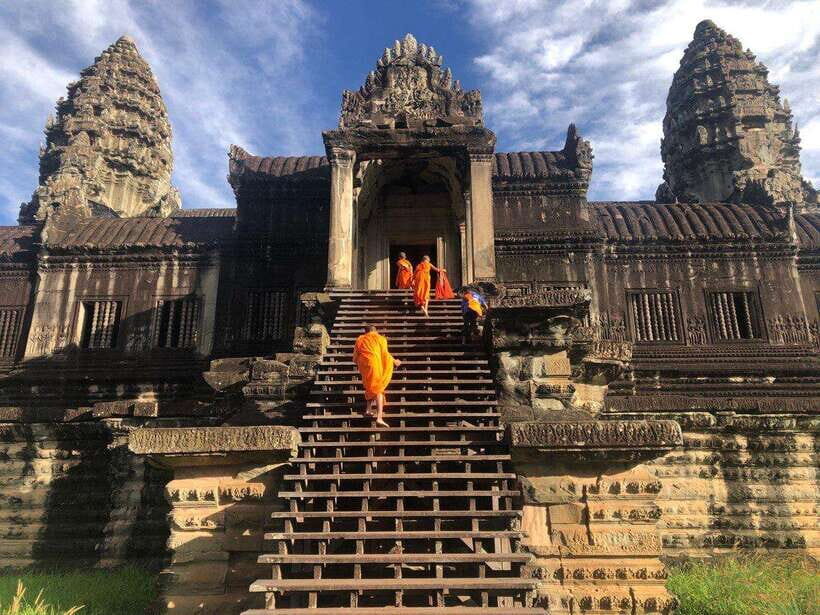
Yes, if you want a private, well-organized route that covers sunrise, detailed temple stops, Phnom Kulen’s nature, Beng Mealea’s jungle ruin experience, and Kompong Phluk’s lake-life perspective—then closes with the sobering history at Wat Thmei. The $325 group price is fair given the included guide, private vehicle, and practical touches like cold water, towels, and skip-the-line access.
Don’t book yet if you strongly dislike early wake-ups or you don’t want a packed schedule. Also, make sure you’re comfortable adding entrance fees and meals on top of the tour cost.
If your goal is to see more than the obvious, this tour is built for exactly that.