REVIEW · SIEM REAP
2-Day Angkor Wat Tour
Book on Viator →Operated by Adventure Travel Cambodia · Bookable on Viator
Two days, one jaw-dropping temple circuit. If you want the classic Angkor hit list without the stress, this 2-Day Angkor Wat Tour is built around smart timing, a private A/C ride, and a licensed English guide explaining what you’re looking at. You’ll start with Angkor Thom and Bayon, then spend the second day chasing sunrise and the temples farther north.
What I like most is the human part: the guide-led walks at each stop make the stone feel readable, not random. I also like the practical comforts, especially the unlimited bottled water and cool towels during the excursion.
One consideration: the headline price does not include the Angkor 2-day Pass ($62) or the Tonle Sap ticket with boat ride ($20), so your real budget is closer to $246 per person before food and soft drinks.
In This Review
- Key highlights at a glance
- How this 2-Day Angkor Wat Tour actually fits your time
- Day 1: Angkor Thom to Angkor Wat without missing the core moments
- Angkor Thom: start strong, get your bearings fast
- South Gate, Bayon, and Phimeanakas: the face-and-symbol zone
- Baphuon and Terrace of the Elephants: the in-between that’s worth your time
- Angkor Wat on Day 1: the “best-preserved” feeling, plus lunch
- Day 2: sunrise at Angkor Wat, then temples farther north
- Pre-sunrise logistics: why takeaway breakfast helps
- Ta Prohm: a longer guided stop
- Neak Pean and Preah Khan: shorter stops that keep momentum
- Ta Som and Eastern Mebon: finishing the north circuit
- Banteay Srei: “Lady’s temple” and the pink sandstone look
- Tonle Sap and Kampong Phluk sunset: the change of scenery you need
- What to expect on the lake portion
- Price and value: what $164 really buys you
- Guides, pace, and what makes the experience feel high quality
- Who this tour is best for
- Small things to plan so your two days go smoothly
- Should you book this 2-Day Angkor Wat Tour?
- FAQ
- What’s included in the $164 per person tour price?
- Do I need to buy an Angkor Pass for this tour?
- Is Tonle Sap included in the price?
- What time does the tour start?
- How early is sunrise at Angkor Wat on Day 2?
- Is this a private tour?
- What happens if weather is bad?
Key highlights at a glance
- Licensed English guide who walks you through what you’ll see at each level
- Private A/C transportation with hotel pickup and drop-off
- Angkor sunrise plan on Day 2, with an early start around 4:40 a.m.
- Iconic stops like Bayon’s face towers and the best-preserved-feeling Angkor Wat
- Tonle Sap sunset with a private boat cruise from Kampong Phluk
How this 2-Day Angkor Wat Tour actually fits your time
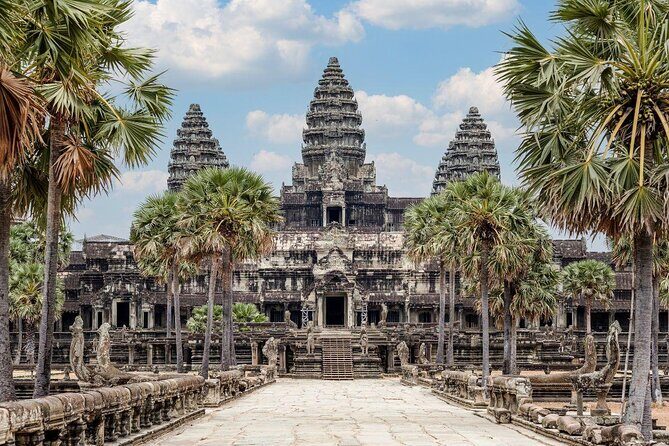
Angkor is big, and that’s the whole challenge in Siem Reap. This tour keeps you moving across the circuit over two full days instead of trying to cram everything into a single, exhausting afternoon. The schedule is built to cover the big anchor points—Angkor Thom, Bayon, Angkor Wat—and then fill out the rest with major temples in a logical flow.
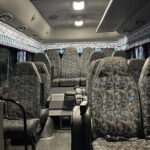
You start with hotel pickup in a private car or minivan with A/C. That matters because Siem Reap heat can hit hard between temples, and you don’t want to spend your best daylight time stuck on local logistics. The tour also includes unlimited bottled water and cool towels, which sounds small until you’re halfway through the morning climbs.
The tour is listed as private, so it’s only your group. That usually means fewer waiting gaps and more time for questions—especially with a guide who can adjust pace when the group wants extra photo time.
Other Angkor Wat temple tours we've reviewed in Siem Reap
Day 1: Angkor Thom to Angkor Wat without missing the core moments
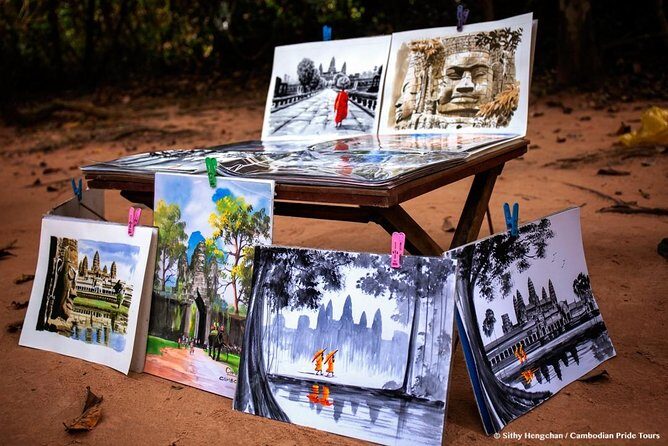
Day 1 is all about the Angkor Thom side first, then finishing with Angkor Wat. You begin around 8:00 a.m. with pickup from your hotel. There’s a stop right at the start to handle the 2-day Angkor Pass purchase (USD62 per person). That means you’re not fumbling around tickets while your driver is waiting.
Angkor Thom: start strong, get your bearings fast
Angkor Thom is where you begin, and the tour sets you up with a guided structure for the walk. The guide’s role here is key: you’ll be accompanied up through the levels, with explanations tied directly to what you’re seeing. It’s a relief if you’ve ever toured ruins where you feel like you’re staring at stone and hoping it makes sense.
If you’re the type who likes context—how the Khmer Empire era relates to what you’re seeing—this is where the tour starts paying off. Even when you just want photos, a guide can point out the shapes and patterns that make Angkor feel cohesive.
South Gate, Bayon, and Phimeanakas: the face-and-symbol zone
After the initial Angkor Thom entry, you move to the South Gate area. The time is short, so this part works like a warm-up: quick views, quick explanation, then onward.
Next comes Bayon, one of the most famous images from Angkor. The tour specifically calls out the enigmatic faces of Bayon, and this stop is scheduled for about 2 hours. That extra time matters because Bayon is visually dense. You’ll want to slow down here. If you rush, you’ll miss the way the faces repeat across the architecture and create a constant visual rhythm.
Phimeanakas follows at about 30 minutes. Again, it’s guided by levels, which is a smart way to handle temples that can otherwise feel like “walk around the outside, then leave.”
Baphuon and Terrace of the Elephants: the in-between that’s worth your time
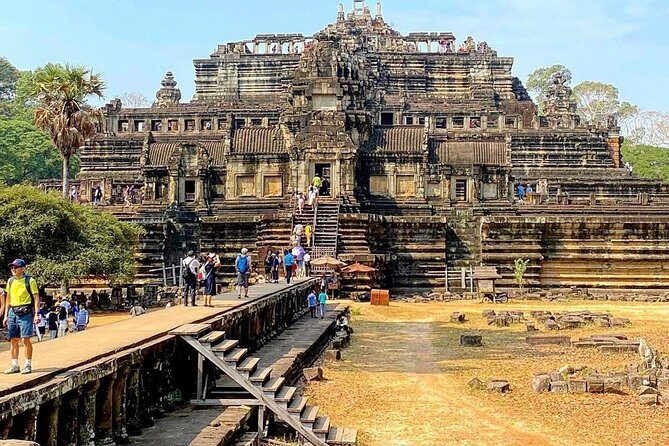
The tour keeps a steady pace with stops like Baphuon (about 30 minutes) and the Terrace of the Elephants (about 30 minutes). These are the in-between anchors that often get skipped when people only care about Angkor Wat.
Here’s the practical value: the guide’s explanations connect the dots, so the later stops don’t feel random. Even if you don’t memorize every detail, you’re more likely to understand what you’re standing in front of.
A few more Angkor & Siem Reap tours and experiences worth a look



Angkor Wat on Day 1: the “best-preserved” feeling, plus lunch
Angkor Wat is where the day becomes the headline. You get a lunch break in a local Khmer-style restaurant in the Angkor park area. That’s a nice touch because it keeps you inside the zone instead of sending you back into town mid-circuit.
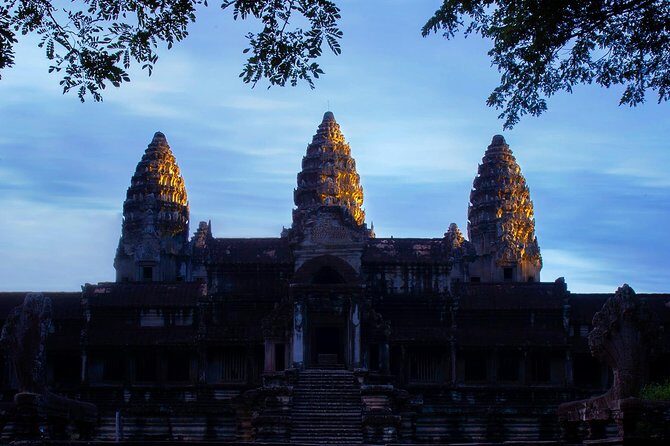
After lunch, the schedule gives you about 2 hours at Angkor Wat. The tour describes it as the world-famous and best-preserved of all temples within the Angkor complex, so you should treat this as more than a photo stop. If you care about how Angkor’s layout guides movement—how you move from one view to the next—this time block helps.
Day 2: sunrise at Angkor Wat, then temples farther north
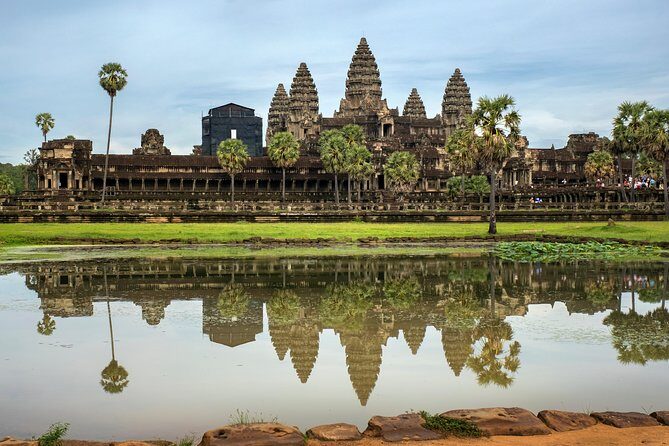
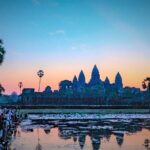
Day 2 is the “morning person” day. If your room includes breakfast, you’re encouraged to ask your hotel staff to pack a takeaway breakfast. Then you’ll be ready by about 4:40 a.m., which sets you up for sunrise over Angkor Wat.
That early timing is the whole reason to do Angkor over two days. You’ll get a cooler start, softer light for photos, and a different mood than daytime crowds (even without chasing perfection).
Pre-sunrise logistics: why takeaway breakfast helps
The tour’s early start is not optional if you want sunrise. The practical move is having breakfast packed so you’re not searching for food at the last second. It also keeps the morning smoother for everyone—less chaos at the pickup point and fewer delays.
If you tend to feel sluggish early, this is one of those “small prep, big payoff” items. Grab-and-go beats waiting.
Ta Prohm: a longer guided stop
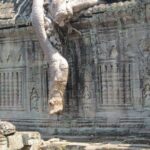
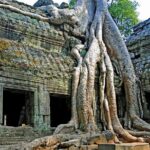
After sunrise, you head to Ta Prohm for about 2 hours. This is another stop where your guide’s pacing matters. When ruins look dramatic, it’s easy to over-photograph and under-notice.
A guided, level-by-level explanation gives you a way to see more than the headline visual. Even when you’re just enjoying the atmosphere, the structure helps you remember what you liked.
Neak Pean and Preah Khan: shorter stops that keep momentum
Neak Pean gets about 45 minutes. Preah Khan is about 1 hour. These blocks are long enough to enjoy the setting without dragging. If you’re trying to avoid temple fatigue, this pacing is smart: you get variety without one location consuming your entire day.
Ta Som and Eastern Mebon: finishing the north circuit
Ta Som and Eastern Mebon come next, each around 30 minutes. By this point, you’ve built a mental map of how the guide interprets the temples, so these stops become easier to read.
You’ll also likely have figured out your own preferences. Some people want more photo time; others want more walking views. The structure here keeps the day moving, but it’s still guided.
Banteay Srei: “Lady’s temple” and the pink sandstone look
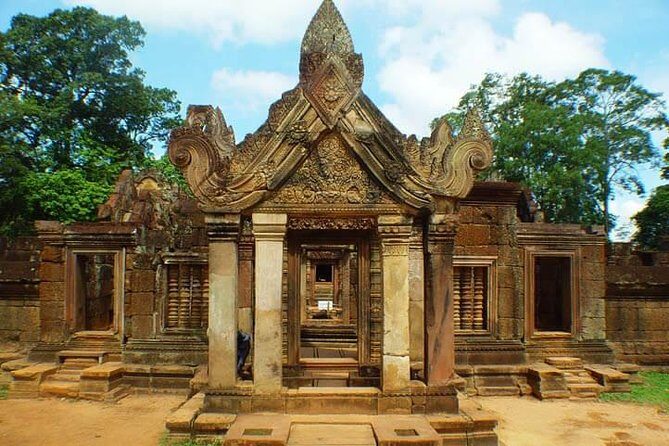
Then you drive farther north to Banteay Srei, described as the Angkor complex’s ultimate art gallery and known as the lady’s temple with petite pink sandstone. The scheduled time looks short, but the point is clear: this is a focused “right temple, right look” stop.
If you’re the type who enjoys details—textures, color, and how the temple’s material changes the vibe—Banteay Srei is a good capstone. After the earlier giants of Angkor Thom and Angkor Wat, the smaller scale can feel refreshing.
Tonle Sap and Kampong Phluk sunset: the change of scenery you need
Your Day 2 ends with Tonle Sap Lake and Kampong Phluk. The tour frames Tonle Sap as the biggest freshwater lake in Southeast Asia, then adds a visit to the floating village lifestyle and a private boat cruise to enjoy sunset.
This is where the tour stops being only about stone. Angkor is the reason most people come, but it’s not the only reason to remember Siem Reap. Tonle Sap gives you a living counterpart: people and water and daily routines shaped by the seasons.
What to expect on the lake portion
The Tonle Sap stop includes a Kampong Phluk floating village visit and a private boat cruise at sunset, but the ticket with boat ride is not included (USD20 per person). You’ll want to budget that upfront so you don’t get surprised at the end of a long day.
This part is also visually timed. Sunset means lighting shifts fast, so if you’re taking photos, keep your camera accessible. Bring something you don’t mind getting a little wet, since a boat trip near water usually means some spray.
Price and value: what $164 really buys you

The tour price is $164 per person for the two days. What you’re paying for is not just transportation. You’re getting:
- A licensed English speaking guide
- Hotel pickup and drop-off
- A/C private vehicle
- Unlimited bottled water and cool towels
- The structure of two full days that cover the major Angkor zones plus Tonle Sap
The admissions are separate. You need:
- Angkor Pass (2-day): $62 per person
- Tonle Sap ticket with boat ride: $20 per person
- Food and soft drinks (not included)
So your likely total before meals is $246 per person, plus what you choose to eat. For many people, this ends up feeling fair because it reduces time lost to ticket queues and routing headaches, and it adds guidance throughout rather than dumping you in a parking lot.
Also, because it’s private, you’re not dividing guide attention across a crowd. That tends to be good value if you like asking questions or you want help understanding what you’re seeing.
Guides, pace, and what makes the experience feel high quality
Even in the best itinerary, the guide can make or break the day. This tour explicitly uses English speaking guides with a licensed status. In the past, guides like Sinan and David have been highlighted for temple context and religious tradition explanations, including cultural questions around Khmer food and history.
And then there’s the driving side. A safe, experienced driver is part of comfort here, not just safety. The tour has included driver Thy in standout feedback, and that matters because Angkor routes can involve early starts and long road stretches.
What you should aim for: treat the guide as your translator for the stone. If you ask questions as you go, you’ll get more out of every stop than if you just follow the route.
Who this tour is best for
This is a strong fit if you want:
- A structured way to see the top Angkor sites across two days
- A sunrise option at Angkor Wat without handling early morning chaos yourself
- Tonle Sap at sunset with a boat cruise, not just a quick photo stop
It also helps if you’re okay with moderate physical fitness. Temples involve walking and climbing up and around structures, and the tour includes level-by-level viewing where stairs are part of the experience.
If you have mobility limits, you’ll want to think carefully. The tour data doesn’t spell out step-free routes, so you might find it tough to manage certain climbs.
Small things to plan so your two days go smoothly
A few practical tips based on how the schedule works:
- Wear light, breathable clothes for temple days, plus something that covers shoulders and knees.
- Bring something for sunrise morning since it starts extremely early around 4:40 a.m.
- Budget the Angkor Pass and the Tonle Sap boat ride ticket so you’re not scrambling.
- Keep a basic snack plan in mind for long days, since food is only listed as lunch in the park area.
Should you book this 2-Day Angkor Wat Tour?
Book it if you want a well-paced Angkor circuit with a licensed English guide, A/C pickup, and a genuine end-of-day payoff in Tonle Sap sunset. The value is strongest when you prefer guidance over self-guided wandering.
Skip or reconsider if you’re trying to travel ultra-budget and you don’t want to add the Angkor Pass and Tonle Sap boat ride on top of the tour fee. Also think twice if you’re not comfortable with temple walking and climbing, since the tour is designed for moderate fitness.
FAQ
What’s included in the $164 per person tour price?
The price includes an English speaking licensed guide, A/C transportation (car or minivan), unlimited bottled water and cool towels, and hotel pickup and drop-off.
Do I need to buy an Angkor Pass for this tour?
Yes. The Angkor Pass for a 2-day visit is listed separately at USD62 per person, and the tour plans time to purchase it at the start of Day 1.
Is Tonle Sap included in the price?
Tonle Sap is part of the experience, but the ticket with boat ride is not included. The listed cost is $20 per person.
What time does the tour start?
The meeting point start time is 8:30 a.m., with hotel pickup arranged starting around 8:00 a.m. on Day 1.
How early is sunrise at Angkor Wat on Day 2?
You’re advised to get ready by about 4:40 a.m. for sunrise. If breakfast is included at your hotel, you can ask for it to be packed as a takeaway.
Is this a private tour?
Yes. It’s listed as a private tour/activity, meaning only your group participates.
What happens if weather is bad?
The experience requires good weather. If it’s canceled due to poor weather, you’ll be offered a different date or a full refund.