REVIEW · SIEM REAP
City Tour & Cooking Class
Book on Viator →Operated by Easy Angkor Trip · Bookable on Viator
Temples, markets, and your dinner in one loop. This Siem Reap tour pairs Wat Thmey’s history with local sights and a cooking class built around fresh ingredients.
I love the way the day is paced: you get time for the Old Market (Psar Chaa) and a museum stop for context, then you switch gears to practical fun. I also really like the cooking portion, especially the hands-on style guides like Kosorl and Mr. K are known for—plus cooking favorites such as fish amok and eating what you make.
One consideration: some key entries cost extra, including Angkor National Museum ($12) and Wat Thmey Killing Fields ($4), and the Killing Fields stop can feel emotionally heavy.
In This Review
- Key highlights to look for
- Why this combo tour works in Siem Reap (and where it may not)
- Price and what you truly get for $40
- A simple schedule: how the 3–5 hours usually plays out
- Stop 1: Wat Thmey (Killing Fields) and how to handle the mood
- Stop 2: Psar Chaa (Old Market) for ingredients you can actually name
- Stop 3: Angkor National Museum for Khmer context (before the next temptation)
- Stop 4: Wat Preah Prom Rath for calm, central-city culture
- Stop 5: The Khmer cooking class, from market picks to your own meal
- What you’ll likely cook and eat
- How guides like Kosorl and Mr. K improve the experience
- A practical way to get more out of the class
- Food and comfort note
- Pickup, group size, and how to make it feel worth your time
- So, is it worth it compared to doing temples and food separately?
- Who this tour is best for
- Should you book Easy Angkor Trip for this city tour and cooking class?
- FAQ
- How long is the City Tour & Cooking Class in Siem Reap?
- Is pickup and drop-off included?
- What’s included in the $40 per person price?
- Are admission fees included for the museum and Killing Fields?
- Is this tour private?
- Will there be an English-speaking guide?
- Do I get a meal as part of the cooking class?
- Do I need to bring tickets?
- What is the cancellation policy?
- Is the tour suitable for most travelers?
Key highlights to look for
- Market-to-cooking flow: pick ingredients with your instructor, then use them in your meal
- Small, personal instruction: the class format is set up for hands-on guidance
- Local storytelling on the streets: guides like Kosorl and Mr. K bring history into everyday talk
- A clear mix of stops: Killing Fields, Old Market, a museum, and a central pagoda
- Meal included: you cook traditional Khmer food and then eat it
Why this combo tour works in Siem Reap (and where it may not)
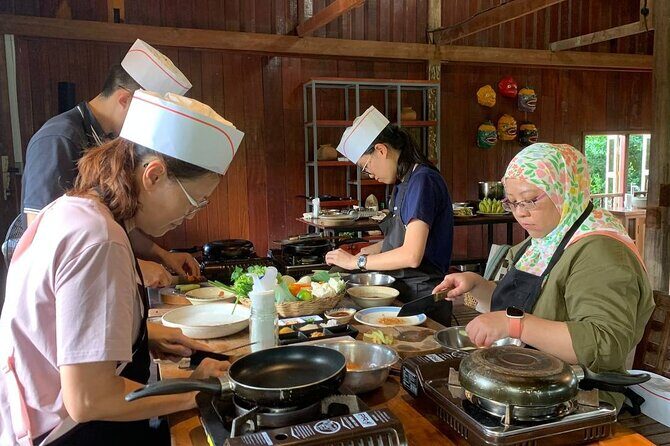
This is a smart format for Siem Reap if you want more than temple photos. You start with major historical context, then you move through a real market (Psar Chaa), and you finish with Khmer cooking where you actually practice the flavors you’ve been hearing about all day.
The value comes from how the pieces connect. A cooking class alone can feel like a standalone activity. Here, the day’s sights support the food part: markets explain ingredients and daily life, and museum context helps you understand the broader Khmer story before you head into the food and culture side.
That said, this is not a light-and-laughs tour. Wat Thmey (Killing Fields) is part of the itinerary and will ask for a respectful mindset and some emotional stamina. If you prefer only upbeat stops, you might want to pair the cooking class with a different half-day tour plan.
Other Khmer cooking class tours we've reviewed in Siem Reap
Price and what you truly get for $40
The base price is $40 per person, running about 3 to 5 hours. For that, you get an English-speaking tour guide, pickup and drop-off, a cooking class and meal, and cold drinking water.
What makes this feel like good value is the cooking component. You’re paying for more than a meal—you’re paying for instruction, time with an instructor, and the market ingredient selection that turns cooking into a cultural experience.
Now for the part you should budget upfront: admission fees are not included. If you visit both paid stops, you’ll add:
- Angkor National Museum: $12 per person
- Wat Thmey Killing Fields: $4 per person
So your realistic all-in cost (without snacks or personal shopping) can be $56 per person. Still, that includes a guide, transport, a full class, and a meal.
A simple schedule: how the 3–5 hours usually plays out
The itinerary is built from short blocks, roughly one hour each at several stops. That kind of pacing works well in Siem Reap because it keeps you from burning half the day in transit or waiting around too long.
Expect a day that feels structured:
- Wat Thmey
- Psar Chaa (Old Market)
- Angkor National Museum
- Wat Preah Prom Rath
- Khmer cooking class and meal
If you’re sensitive to long days, this timeline can be a plus. If you like slow travel with lots of free time, you may find the schedule a bit tight.
Stop 1: Wat Thmey (Killing Fields) and how to handle the mood
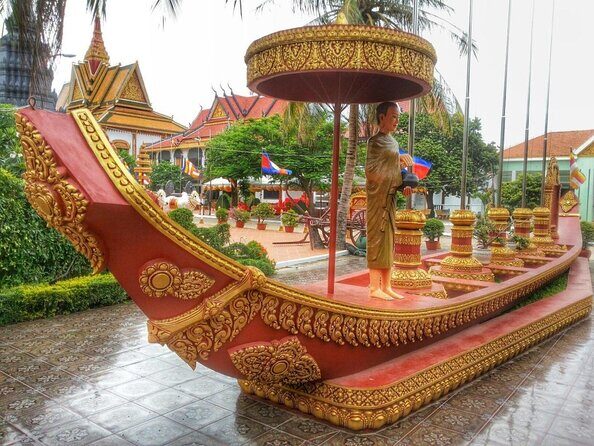
You’ll start at Wat Thmey, known for its place in the Killing Fields history during the Khmer Rouge period (1975–1979). This isn’t a quick photo stop. The site carries real weight, and it’s often one of those moments where your brain needs a minute to catch up.
Why this stop matters: it gives you context for Cambodia beyond what you might see in temple architecture. It helps explain why modern Cambodian life and cultural memory are so strongly shaped by the past.
Practical note: since admission is not included (it’s $4 per person), have small cash ready or make sure your guide handles the payment step smoothly. Dress for respect—cover shoulders and wear shoes you can walk in.
Consideration: if you’re traveling with kids, or if you’re not ready for heavy historical content, you may want to check whether this is the right mix for your energy that day.
Stop 2: Psar Chaa (Old Market) for ingredients you can actually name
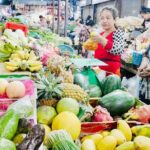
Next up is Psar Chaa, the Old Market. This is where the day starts to feel hands-on, even before the cooking. The market is described as a local hub for fruits, vegetables, flowers, and also sweet treats—so you get a wide sense of what people buy every day.
This stop is valuable because it’s not just sightseeing. It sets you up to understand the cooking class ingredients in a real-world way. When you later choose herbs and spices, it’s easier to understand what you’re tasting and why it matters.
A few practical tips for this part of the day:
- Go with water in hand and a mindset to browse, not speed-walk.
- If you’re curious, ask your guide what a specific herb or ingredient is used for.
- If you love cooking, this stop can feel like a warm-up practice session.
Admission here is free, so you’ll focus on the market experience rather than tickets.
Other Siem Reap city and countryside tours we've reviewed in Siem Reap


Stop 3: Angkor National Museum for Khmer context (before the next temptation)
You’ll also visit Angkor National Museum, a museum that covers stories from before the Khmer Empire, during it, and after. It’s along the route toward Angkor Wat, which makes it a good “gear shift” stop—especially if your temple focus might otherwise flatten history into a single timeframe.
The museum is not included in the base price: plan on $12 per person. I like adding the museum here because it helps you see temple design and cultural development as part of a larger timeline rather than random stone landmarks.
What this stop does best is connect dots. If you’ve ever left a temple feeling like you enjoyed the views but missed the meaning, a museum stop can correct that fast.
Trade-off: you’ll lose some flexibility in the day. If you strongly prefer open time in the city after lunch, you might decide whether the museum fits your style.
Stop 4: Wat Preah Prom Rath for calm, central-city culture
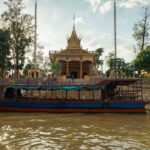
Then you move to Wat Preah Prom Rath, centrally located north of the Old Market and near Pub Street. This is a good break from the heavier start because it’s described as having Buddha imagery and painted wall scenes that your guide can explain.
This part of the itinerary is free to enter, which is always nice after paid history stops. It’s also a nice contrast after the market energy: you shift from shopping and browsing into something calmer and more observational.
If you’re sensitive to heat, this kind of stop can be helpful. It’s easier to slow down for a bit, sit where you can, and take in details.
Stop 5: The Khmer cooking class, from market picks to your own meal
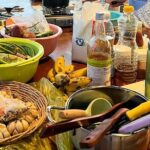
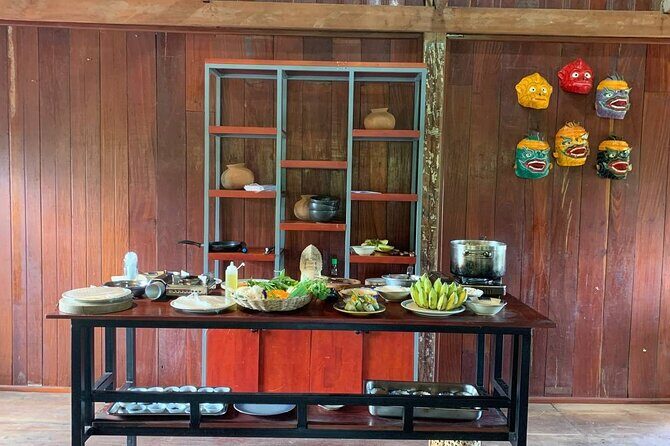
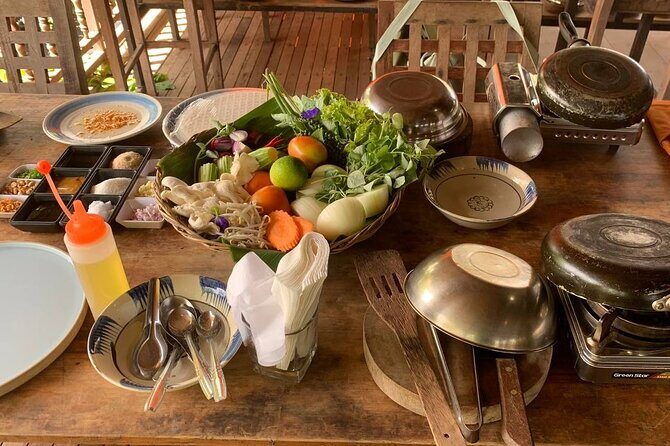
This is the main event. The cooking portion begins with a local market visit with a home-style chef so you can select ingredients before you cook. The focus is on Khmer flavors—aromatic spices, herbs, and traditional cooking ingredients.
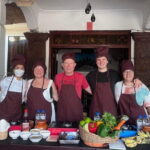
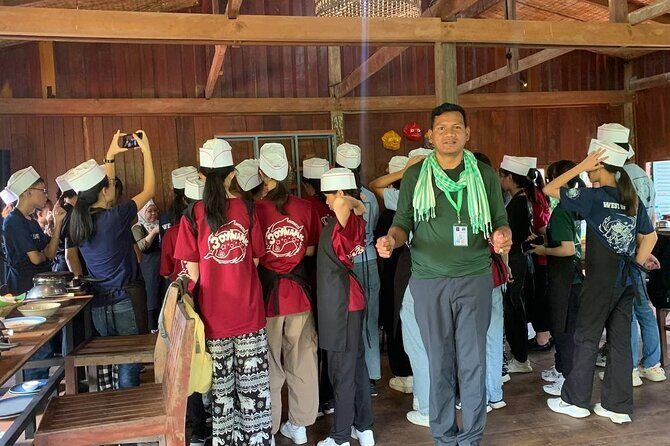
What makes this class especially worthwhile is the way it’s set up for real learning, not just watching. The format is described as small-group and hands-on, often limited to around six people, which means you get more attention and fewer long waits for help when you’re chopping, mixing, or trying a new technique.
What you’ll likely cook and eat
You’ll prepare traditional Khmer food during the class, and you’ll eat the meal you make. One highlighted dish from the experience is fish amok, a classic Khmer-style comfort food with a strong flavor identity. Even if you’re not a confident cook, the guidance is part of the deal.
How guides like Kosorl and Mr. K improve the experience
The strongest cooking-class memories here aren’t only about ingredients. They’re about the person teaching you. Guides such as Kosorl and Mr. K are described as friendly, attentive, and deeply connected to the places you visit.
Mr. K is noted for conversations that range from food to history to politics and even family life. That kind of talk makes the day feel personal instead of like a script, and it also helps you understand what you’re tasting and why it matters.
A practical way to get more out of the class
If you want to make this lesson stick at home, do three things:
- Pay attention to how your chef describes the herbs and aromatics (not just the recipe).
- Ask what you can substitute if you don’t find the same ingredient back home.
- Try to remember the order—many Khmer dishes rely on timing and balancing flavors.
Food and comfort note
This experience is built for participation and says most travelers can take part. The one comfort thing to keep in mind is that a hands-on class may involve practical, everyday home-style setups rather than a polished restaurant environment. You’ll likely be focused on work surfaces, stove steps, and shared learning space, so dress comfortably and expect to get a little involved.
Pickup, group size, and how to make it feel worth your time
The tour includes pickup and drop-off, which is a big deal in Siem Reap. You’re not trying to coordinate tuk-tuk timing while also managing a market stop and a cooking schedule.
It also runs as a private activity for your group. That can be a comfort advantage if you prefer not to share a guide or stretch your pace to match strangers.
You may find group discounts and the tour uses a mobile ticket, which usually makes last-minute logistics easier.
Timing tip: since the itinerary packs multiple stops, wear a day outfit you can move in and keep essentials close (water, sunscreen, a light layer for AC if needed).
So, is it worth it compared to doing temples and food separately?
If you’re the type who likes to optimize your day, this combo tour makes sense. You’re paying for a guide to connect history, markets, and cooking into one coherent experience.
If you’re only chasing Angkor viewpoints and nothing else, you might feel the itinerary is too structured or too history-heavy. Also, once you factor admissions, the cost rises from $40 to around $56 with the main paid stops.
But if you want hands-on cultural learning, plus a meaningful start, it’s a strong mix.
Who this tour is best for
This works especially well if you:
- Want a market-to-cooking experience rather than just a restaurant meal
- Appreciate learning the Khmer story beyond temples
- Enjoy chatting with your guide and hearing local perspective
- Like a plan that’s guided but not so long you lose the whole day
If you dislike historical sites or want a lighter emotional tone, you might choose a different day plan and keep the cooking class as a standalone.
Should you book Easy Angkor Trip for this city tour and cooking class?
I’d book it if your ideal Siem Reap day includes both meaning and practice. Starting with Wat Thmey, then moving to Psar Chaa and Angkor National Museum, sets up the cooking class so it feels like culture—not just cuisine.
It’s also an easy pick for first-timers who want a guide that can connect the dots and steer you toward ingredients and dishes you’ll actually remember, like fish amok, in a hands-on way.
Skip or reconsider if you’re trying to keep admissions low, if you want no heavy history content, or if you prefer extra free time over a tight 3–5 hour route.
FAQ
How long is the City Tour & Cooking Class in Siem Reap?
It runs about 3 to 5 hours (approximately).
Is pickup and drop-off included?
Yes. Pickup & drop-off are included.
What’s included in the $40 per person price?
You get an English-speaking tour guide, pickup & drop-off, the cooking class and meal, and cold drinking water.
Are admission fees included for the museum and Killing Fields?
No. Angkor National Museum admission is $12 per person, and Wat Thmey Killing Fields admission is $4 per person.
Is this tour private?
Yes. It’s listed as a private tour/activity, with only your group participating.
Will there be an English-speaking guide?
Yes, an English speaking tour guide is included.
Do I get a meal as part of the cooking class?
Yes. The cooking class & meal are included.
Do I need to bring tickets?
You’ll have a mobile ticket.
What is the cancellation policy?
Free cancellation is available. You can cancel up to 24 hours in advance for a full refund.
Is the tour suitable for most travelers?
The experience says most travelers can participate.