REVIEW · SIEM REAP
Siem Reap: Angkor Wat Tour with Italian-Speaking Guide
Book on GetYourGuide →Operated by Vamos Camboja Turismo · Bookable on GetYourGuide
Angkor in your language makes the whole place click. With an Italian-speaking guide and private transport, you get an organized route through the Khmer temple highlights, plus help finding the best photo angles. I especially like that you’re not just walking from stone to stone—you’re learning what you’re seeing, and you get frequent practical stops to cool down. The one catch to plan for is the Angkor park entrance ticket, which isn’t included in the tour price.
I also like the way the day is structured for real-world visits: early starts, guided time at the big temples, and a pace that doesn’t feel like you’re being herded. On top of that, guides (like Matteo, Caro, Chhoure, and Alex, based on commonly assigned names) tend to adjust routing to reduce crowds and grab strong viewpoints. Still, you’ll need to bring the right clothes and be ready for heat and walking, and lunch is on your own—so you’ll want to plan a budget for that.
In This Review
- Quick hits before you commit
- Why an Italian-speaking guide changes your Angkor day
- Private transport and timing: the hidden value in this tour
- Price check: $140 for the tour, plus the Angkor pass
- 1-Day Small Circuit: South Gate, Bayon, terraces, Ta Prohm, and Angkor Wat
- Morning pickup and first temple momentum
- South Gate of Angkor Thom: giant stone faces and a clean start
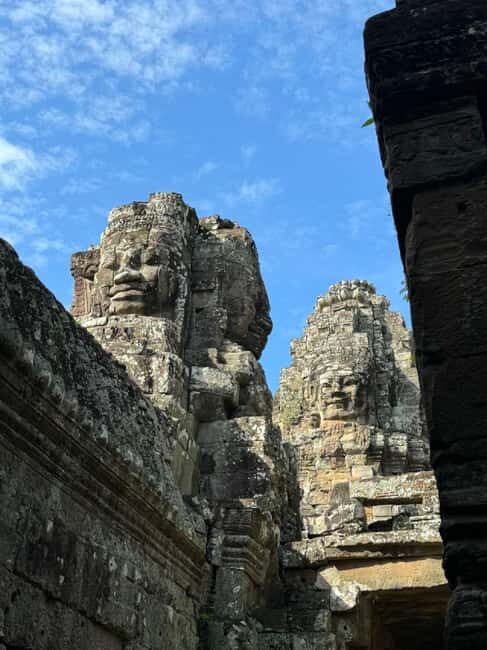
- Bayon Temple: the smile towers that everyone photographs
- Terrace of the Elephants and the Terrace of the Leper King
- Ta Prohm: the tree-roots chaos that still looks unreal
- Mid-day break area and the rhythm of a guided circuit
- Angkor Wat: the big finish with symbolism you can actually read
- One practical drawback to plan for
- 2-Day Grand Circuit plus Banteay Srei: a calmer pace that adds real variety
- Day 2: Preah Khan, Neak Pean, Ta Som, East Mebon, Pre Rup
- Banteay Srei: the pink-sandstone showpiece
- The main drawback for most people
- Crowd-smart routing and photo spots: how your guide makes it feel personal
- What to pack and wear: temple dress rules you can actually follow
- Comfort details: cold towels, smooth transfers, and small care
- Should you book this Italian-speaking Angkor tour?
- FAQ
- What time do I get picked up for the standard tour?
- Where do we buy the Angkor entrance ticket, and is it included?
- How much is the Angkor entrance ticket?
- Is lunch included?
- What’s included in the guided sightseeing time?
- What transport do you use?
- Can children join for free?
- Do I need to follow a dress code?
- Is this tour wheelchair accessible?
Quick hits before you commit
- Italian-speaking guide means you’ll get clearer explanations and easier Q&A during temple stops
- Private group + transport (tuk-tuk or A/C van/car depending on group size) keeps your day efficient
- Two itinerary options: 1-day Small Circuit or a more relaxed 2-day Grand Circuit plus Banteay Srei
- Photo-spot guidance is built in, so you’re not guessing where the best angles are
- Cold water and cold towels help a lot in Siem Reap heat
- Entrance ticket not included means your final cost depends on how many days you choose
Why an Italian-speaking guide changes your Angkor day
Angkor can feel like a beautiful blur if you don’t know what you’re looking at. This tour is designed around language, not just logistics. When your guide can explain symbolism, Khmer context, and temple purpose in Italian, you’ll move through places like Bayon and Angkor Wat with your brain turned on, not just your camera.
I like that the guide doesn’t treat you like a marching line. You’ll get structured time at each stop, and the explanations match what you’re seeing right in front of you. Even better, you’ll hear short, practical context that helps you understand why certain buildings face certain directions and why particular carvings matter.
One small drawback: if you’re the type who wants long, detailed answers to many questions, you might find the guide keeps some responses brief, depending on the day and the guide’s teaching style. The upside is that the schedule still protects time at the temples.
Other Angkor Wat temple tours we've reviewed in Siem Reap
Private transport and timing: the hidden value in this tour
The tour starts with hotel pickup at 8:30 AM for the standard day, and the pace is set around temple access and daylight. For the 2-day option, there’s also a sunrise start at 5:00 AM, with the morning finishing around 12:00 PM. That early timing matters. You’ll feel less sunburn-scorched and you’ll often hit key areas when it’s more manageable.
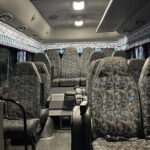
Transport also affects your comfort. For 1–2 people, you go by tuk-tuk on the 1-day option, and on Day 1 of the 2-day option; Day 2 uses a private car. If you’re 3+ people, you use an A/C van or bus. In a place where you’ll spend hours outside, having the right vehicle for your group size is not a small detail.
On the practical side, you get cold water and cold towels during visits. That’s the kind of “small” comfort that keeps your energy up when you’re sweating through the day.
Price check: $140 for the tour, plus the Angkor pass
The headline price is $140 per group up to 2, for either the 1-day or 2-day experience (the activity is listed as 8 hours to 2 days). But the real total depends on the entrance ticket you buy separately.
Here’s the math in plain terms:
- 1-day Angkor pass: $37 per person
- 2–3 days Angkor pass: $62 per person
- Lunch is not included, and neither are any personal extras.
So for two adults on the 1-day option:
$140 tour + ($37 x 2) = $214 total, or about $107 per person.
For two adults on the 2-day option:
$140 tour + ($62 x 2) = $264 total, or about $132 per person.
Is it expensive? For Angkor, it’s honestly competitive when you factor in private guiding in Italian, hotel pickup/drop-off, and dedicated transport. Also, the tour is built to help you spend time where it counts: the big temples, the best photo moments, and the parts that are worth seeing even when you’re tired.
1-Day Small Circuit: South Gate, Bayon, terraces, Ta Prohm, and Angkor Wat
This is the option I’d pick if you only have one day and you want the core Angkor hits without overthinking it. The tour is timed to last most of the day, finishing around 5:00 PM and getting you back to your hotel.
Morning pickup and first temple momentum
You meet your guide in your hotel lobby at 8:30 AM, then head together toward the ticket booth to handle your pass. The tour is described as offering help so you can skip the ticket line, which can save real time when queues look long.
From there, you’re in the thick of Angkor quickly, which is important. Temperatures can spike fast. Getting your first major temple done early helps you enjoy the day instead of just surviving it.
Other guided tours in Siem Reap

South Gate of Angkor Thom: giant stone faces and a clean start
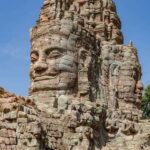
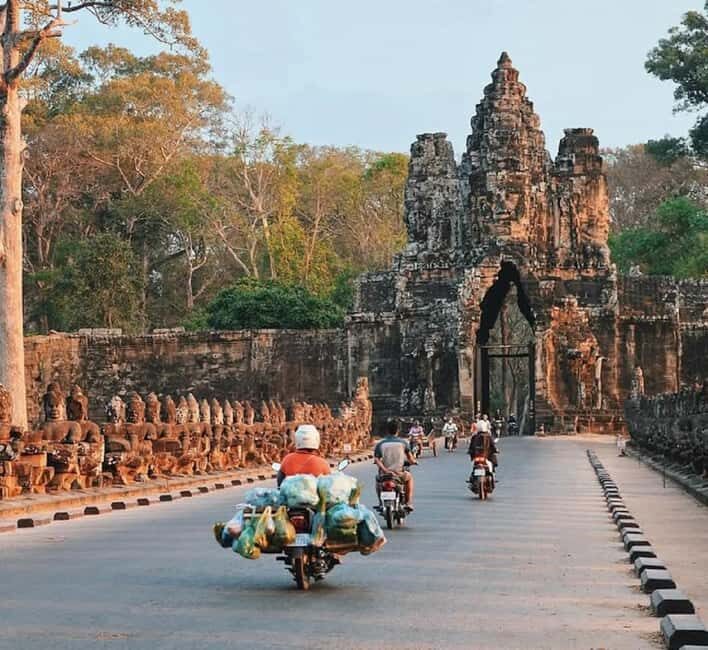
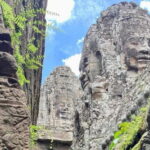
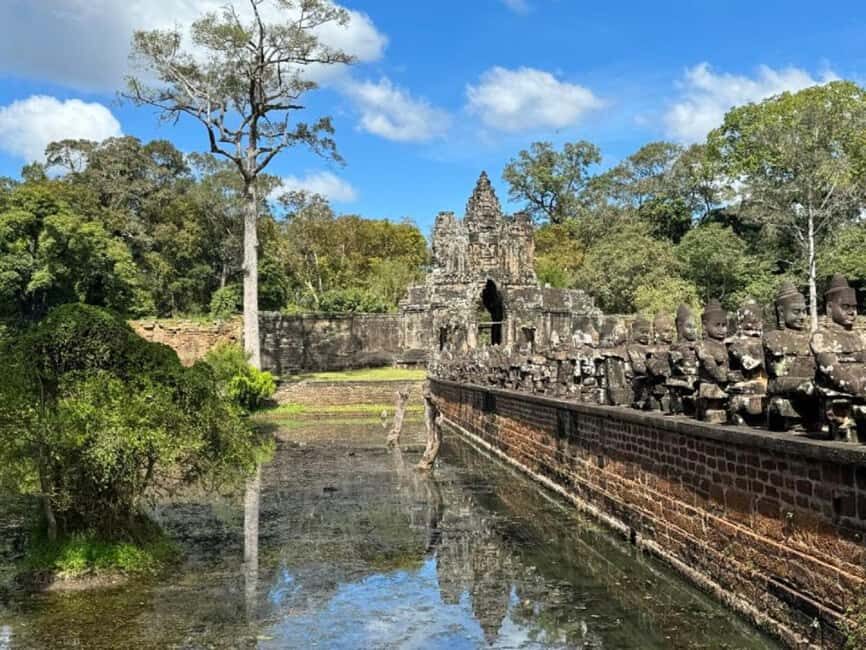
You’ll begin at the South Gate of Angkor Thom. This isn’t just a cool entry. It’s a way to get your bearings. The huge stone faces set the tone, and your guide’s explanations make it easier to understand that you’re entering a planned city space, not just a collection of ruins.
Bayon Temple: the smile towers that everyone photographs
Next is Bayon, known for its towers covered in faces. Guided time here is where an Italian guide really earns its keep. You’ll be able to connect what you see—layers of stone, repeated motifs, and the temple’s role in the complex—with the historical and cultural context your guide shares.
This is also where your guide’s photo advice is useful. Instead of shooting the same front view everyone else grabs, you’ll get suggestions for angles that look strong and still respect how crowded certain areas can get.
Terrace of the Elephants and the Terrace of the Leper King
You’ll walk the carved terraces—especially the Terrace of the Elephants and the Terrace of the Leper King as part of the Small Circuit experience. These are great breaks from the thick crowds at the main towers because you can slow down and look at details.
A guided pace helps here. If you know what the carvings represent, the terraces stop being just “cool stone art” and become storytelling walls.
Ta Prohm: the tree-roots chaos that still looks unreal
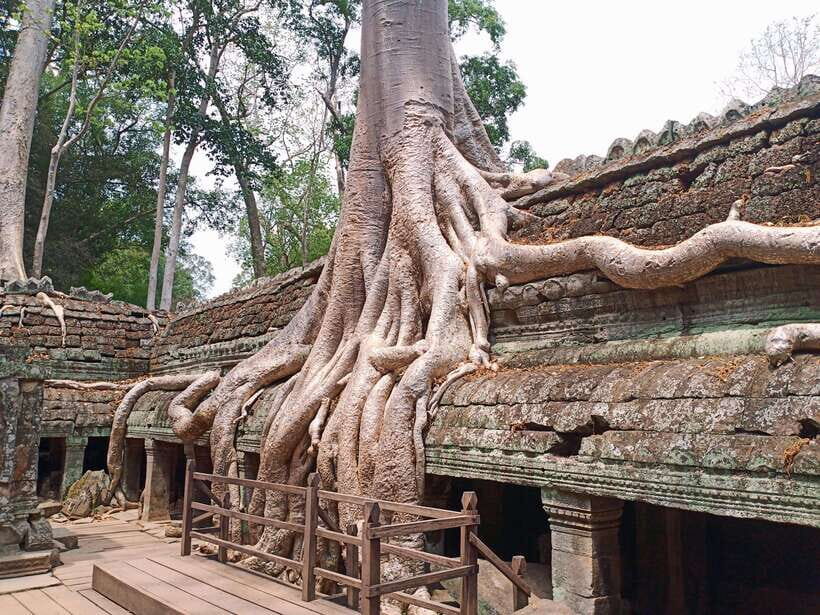
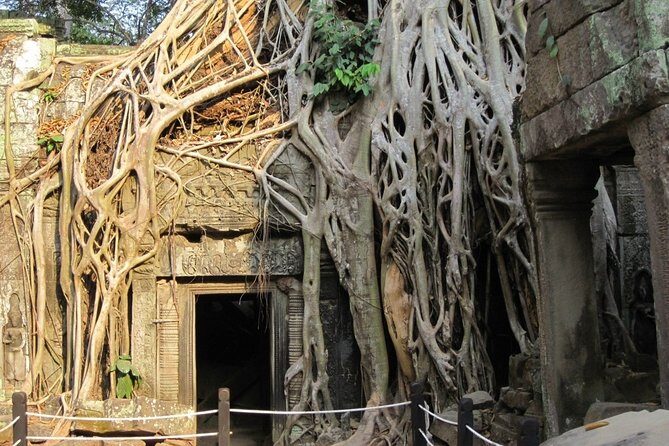
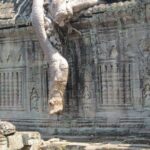
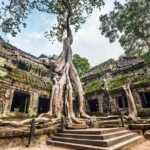
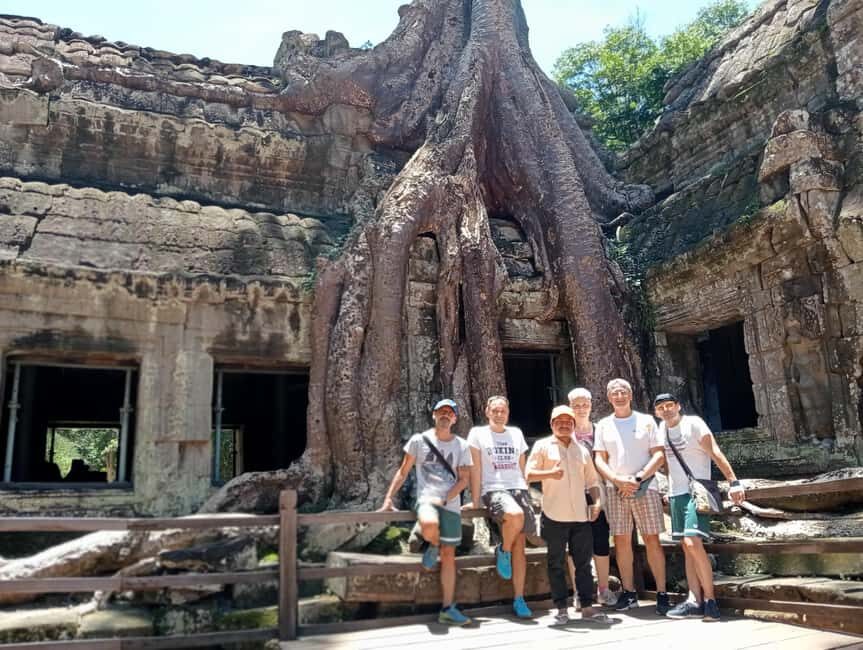
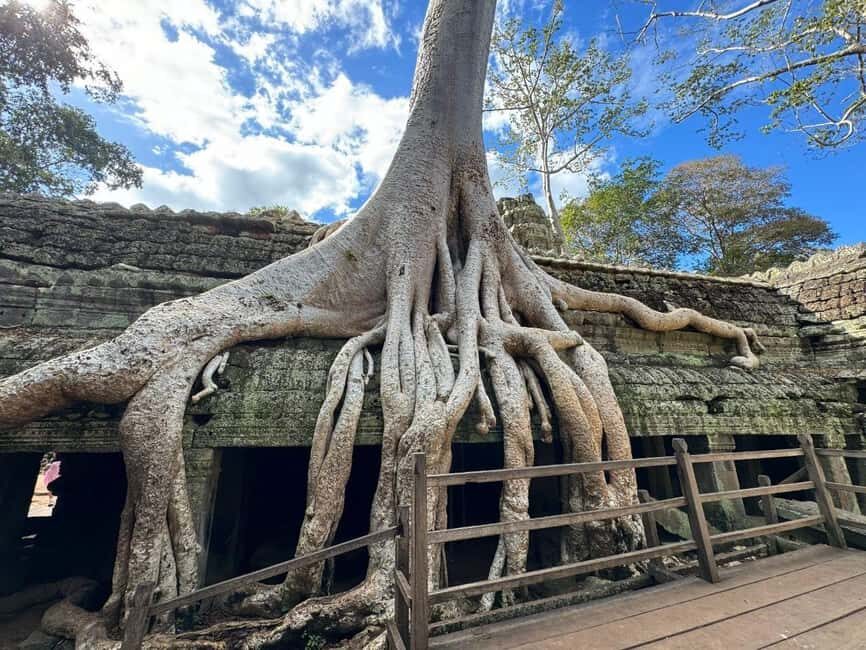
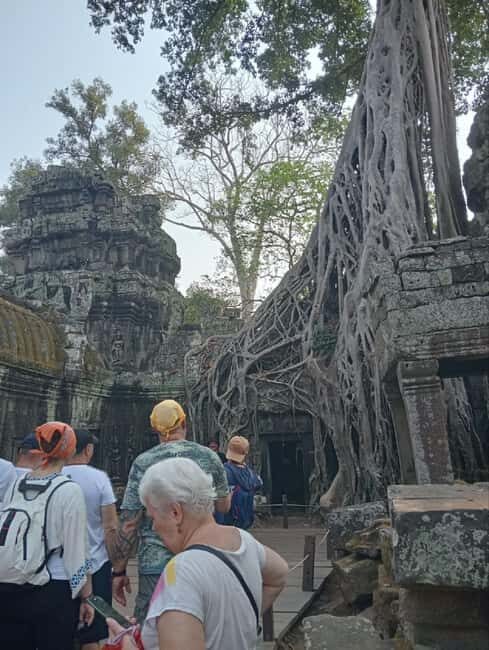
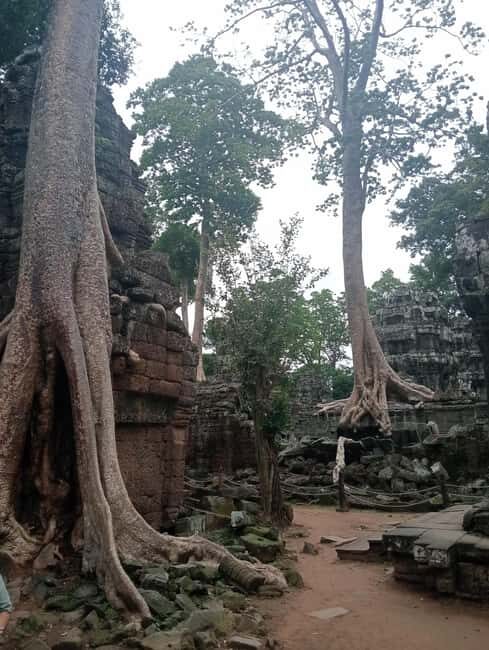
Then you’ll reach Ta Prohm, famous for massive tree roots wrapping through temple structures. This is the “movie set” temple for a reason. The roots create natural frames for photos, and the light changes a lot as you move around.
Your guide’s job isn’t only to explain. It’s to time your walk so you’re not constantly getting pushed around by foot traffic. The goal is that you still feel like you’re exploring, not just waiting.
Mid-day break area and the rhythm of a guided circuit
You’ll include stops that keep the route workable, including a break area at Srah Srang (often used as a calm point to reset). You’ll also get time built in for photo stops and guided viewing, so the day doesn’t turn into one long sprint.
Angkor Wat: the big finish with symbolism you can actually read
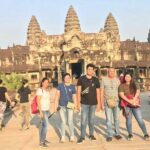
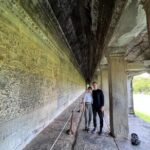
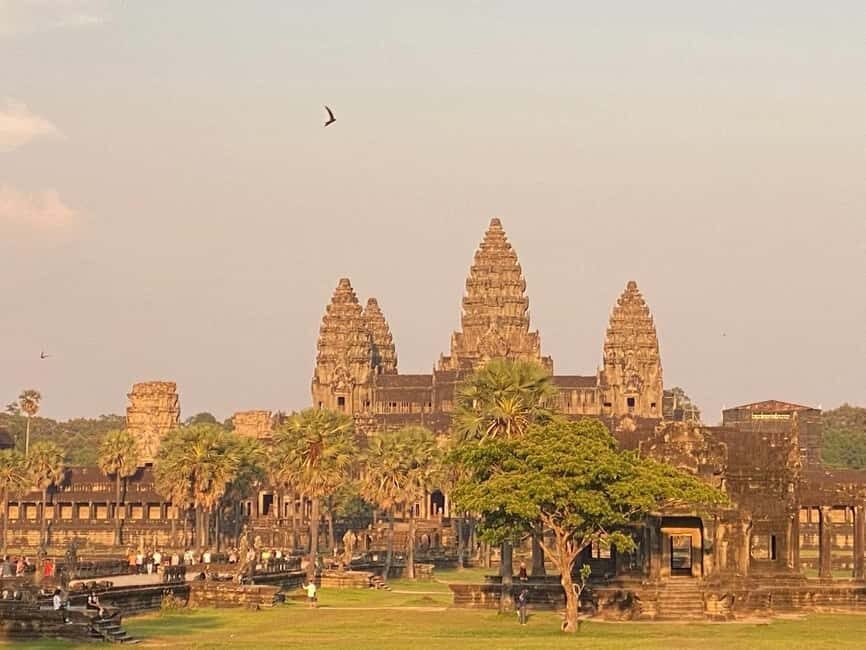
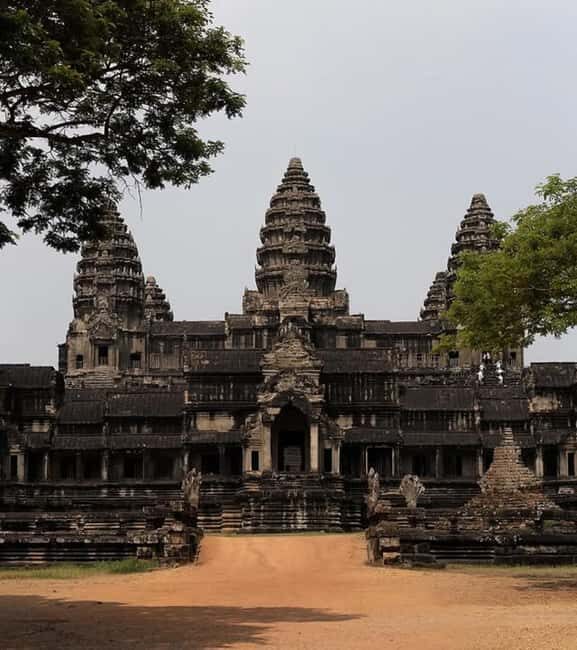
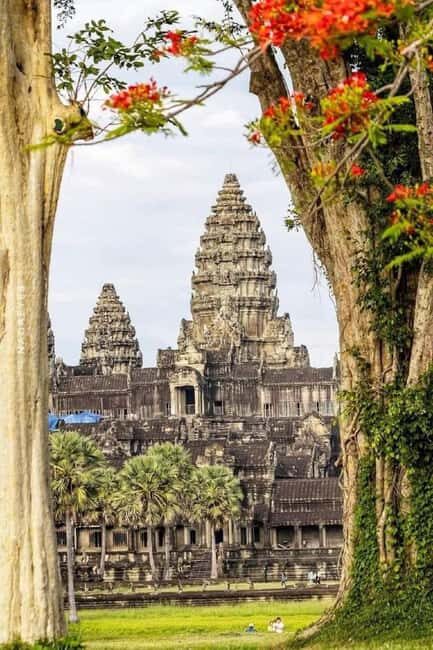
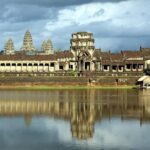
Finally, you end at Angkor Wat. You’ll have guided time here (about 2 hours), which is a good amount for a first visit because it gives you time to notice details beyond the iconic silhouette.
Angkor Wat is also where you’ll appreciate the guide’s explanations most. The symbolism and religious meaning become easier to grasp when you can follow your guide’s thread while you’re standing inside the space.
Note: your tour finishes around 5:00 PM for the 1-day option. If you were imagining a long late-afternoon linger, this itinerary keeps the day structured, not stretched.
One practical drawback to plan for
Lunch is not included, so you’ll need to budget time and money for it. Also, the day includes plenty of walking. That’s great for seeing temples, but you’ll want the right shoes and breathable clothing.
2-Day Grand Circuit plus Banteay Srei: a calmer pace that adds real variety
If Angkor feels like too much in one day, this is the better fit. The 2-day option includes the Small Circuit and the Grand Circuit, plus Banteay Srei. Day 2 ends around 4:00 PM and returns you to your hotel.
The setup is also flexible. If you choose the sunrise option at checkout, Day 1 starts at 5:00 AM and finishes around 12:00 PM. Early morning means cooler temps and more comfortable temple walking.
Day 2: Preah Khan, Neak Pean, Ta Som, East Mebon, Pre Rup
Here’s what makes Day 2 feel different from the first day: you’re not only chasing the most famous names. You’re moving through temple types and settings—monastic complexes, smaller water-surrounded shrines, and mountain-style viewpoints—that give Angkor depth.
Preah Khan
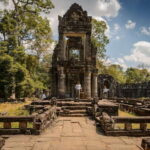
This is a vast monastic complex with long corridors and lots of carving detail. Guided time matters because the layout can be confusing if you’re wandering alone. Your guide helps you connect the pieces into one coherent experience.
Neak Pean
This temple is smaller and surrounded by tranquil pools, which gives your eyes a needed reset. It’s a nice pace change after Preah Khan’s scale.
Ta Som
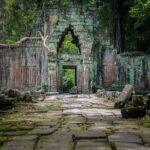
Ta Som’s standout feature is its tree-covered gate. The setting creates a classic framed look for photos, and the mood is different from the larger temples.
East Mebon
You’ll visit East Mebon, once connected to an island setting in an ancient reservoir. That detail is helpful because it changes how you interpret the temple’s placement rather than treating it as random stone.
Pre Rup
Pre Rup is a mountain-style temple, and it’s the place where your guide’s timing helps again. You’ll get sweeping views over the Cambodian countryside from higher ground, assuming weather cooperates.
Banteay Srei: the pink-sandstone showpiece
The day concludes at Banteay Srei, often called the Citadel of Women, admired for its intricate pink sandstone carvings. This is a strong “last temple” choice because it shifts the focus from big scale to fine detail.
Carving craftsmanship is the whole point here. If you enjoy slowing down to read the artwork in stone, you’ll likely love this ending more than another “same-type” temple stop.
The main drawback for most people
The 2-day option costs more in ticket fees (because it’s a multi-day pass), and you’ll spend two full mornings/afternoons on site. For travelers who only want the highlights and hate early starts, the 1-day tour is more efficient.
Crowd-smart routing and photo spots: how your guide makes it feel personal
Angkor can be packed in predictable waves. The best private tours are the ones that work around that reality.
This experience is described as aiming to visit key areas when there are fewer people, sometimes by entering from the back or using less obvious routes to improve the view. That means your photos are more likely to show temple details instead of mostly backs of other visitors’ heads.
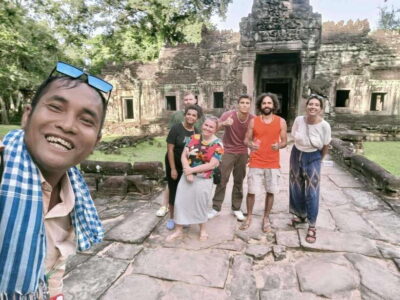
You also get active help as a photographer. Guides referenced in Italian-language experiences include Matteo and Caro, who are specifically described as taking photos and sharing detailed temple guidance. Others like Chhoure and Alex come through as well, with a focus on making the visit fun and understandable.
If you care about getting memorable shots, don’t treat photo stops as an add-on. In Angkor, they’re part of how you structure your time.
What to pack and wear: temple dress rules you can actually follow
This tour is strict about what you wear, and it matters because Cambodia temple sites enforce dress codes.
Bring:
- Comfortable shoes
- Sun hat, sunscreen, sunglasses
- Insect repellent
Dress code basics:
- No shorts or short skirts
- No sleeveless shirts
- You may use a scarf to cover knees and shoulders for most temples
- Except for Angkor Wat, you must wear pants and skirts that cover the knees and shirts that cover the shoulders
- Short skirts, shorts, tank tops, and other revealing clothes are not permitted
This is where people get tripped up. I’d plan to wear light pants or a long skirt and a shirt with sleeves, even if you’re tempted to go “summer mode.”
Comfort details: cold towels, smooth transfers, and small care
It’s easy to ignore comfort details until you need them. This tour includes cold water and cold towels during visits, which helps a lot when humidity is high.
Also, the transport rhythm matters. In private setups, you’re not waiting on a big group to regroup every time you return from a temple. You can keep your energy and move at the pace your guide sets.
One review detail that stands out: after returning from temple stops, you may be offered fresh-smelling towels and cold towels to clean off sweat before you get back in the vehicle. That kind of small care adds up fast.
If you’re traveling with kids, you might find the guide can adapt the route and choices for ages and stroller or baby-carrier needs. That’s a big deal for families who want to see temples without turning the trip into a constant negotiation.
Should you book this Italian-speaking Angkor tour?
Book it if you want an organized Angkor visit with private transport, an Italian guide, and a schedule that actually covers the major temples without turning your day into chaos. It’s also a smart choice if you care about better photos and less crowd friction, because the routing approach is part of the value.
Choose the 1-day Small Circuit if:
- you only have one day
- you want the headline temples and don’t want the extra ticket cost of a multi-day pass
- you’d rather keep it simple and finish around 5:00 PM
Choose the 2-day option if:
- you hate rushing
- you want the extra stops on Day 2, including Pre Rup and the intricate carvings of Banteay Srei
- you’re okay with an early 5:00 AM sunrise start if you select it
One final “yes, but” to keep in mind: budget for the Angkor entrance ticket and lunch. If you plan for those from the start, the tour’s structure, language support, and on-the-ground comfort make it feel like good value.
FAQ
What time do I get picked up for the standard tour?
You’re picked up in your hotel lobby at 8:30 AM.
Where do we buy the Angkor entrance ticket, and is it included?
The tour price does not include the Angkor Archaeological Park entrance ticket. Your guide meets you and goes together to purchase your temple pass, or you can buy it online in advance.
How much is the Angkor entrance ticket?
The ticket is listed as $37 per person for 1 day and $62 per person for 2–3 days.
Is lunch included?
No. Lunch is not included. You’ll have a lunch break during the day and can enjoy a Cambodian meal nearby.
What’s included in the guided sightseeing time?
You get an Italian-speaking guide and guided time at the temples included in your selected option, plus photo stops and breaks built into the route.
What transport do you use?
For 1–2 people, transport is by tuk-tuk on the 1-day option (and Day 1 of the 2-day option). For 3+ people, transport is by A/C van or bus. The 2-day option uses a private car on Day 2 for smaller groups.
Can children join for free?
Yes. Children under 12 years old can join the tour free of charge, and they don’t need to purchase an entrance ticket.
Do I need to follow a dress code?
Yes. You cannot wear shorts, short skirts, or sleeveless shirts. A scarf can help cover knees and shoulders for most temples, but you must wear pants and skirts covering the knees and shirts covering the shoulders for most temples except Angkor Wat.
Is this tour wheelchair accessible?
No. It’s listed as not suitable for wheelchair users.