REVIEW · SIEM REAP
Angkor Cab: Siem Reap 3 day private tour: ‘off the beaten track’
Book on Viator →Operated by ANGKOR CAB-OFF BEATEN TRUCK · Bookable on Viator
Quiet roads, famous temples, less crowd stress. This 3-day private Siem Reap plan pairs safe, attentive driving with English-fluent temple guides so you can move at your pace. One watch-out: key items like the Angkor Temple Pass and meals are not included, so plan extra cash for those.
The value here is practical: a small group (up to 3), hotel pickup, bottled water in the car, and an itinerary that mixes major sights with lesser-visited sites and even Tonle Sap Lake. If you want something that feels like a guided day trip, not a rushed checklist, this format fits well.
In This Review
- Key highlights to look for
- Why a private 3-day Angkor plan is worth it
- Setting expectations: timing, comfort, and walking level
- Day 1: Pink Banteay Srei, quiet temples, and Tonle Sap Lake
- Banteay Srei: the 10th-century pink temple stop
- Banteay Samre: next-door scale and context
- Banteay Kdei: a Buddhist temple feel near Ta Prohm
- Srah Srang: the largest pool stop
- Tonle Sap Lake: real Cambodia beyond the ruins
- Day 2: Sunrise at Angkor Wat, then Angkor Thom and Ta Prohm
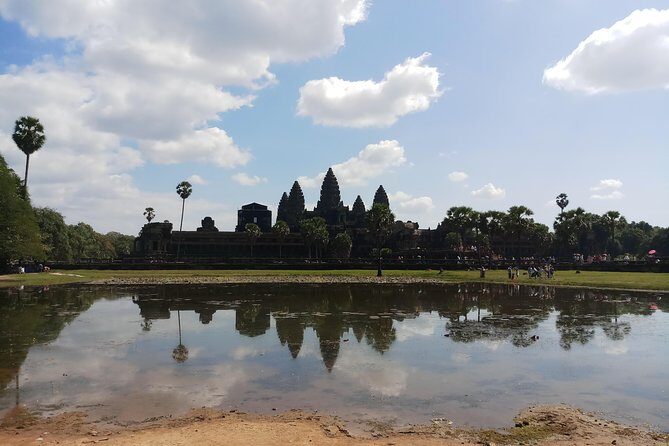
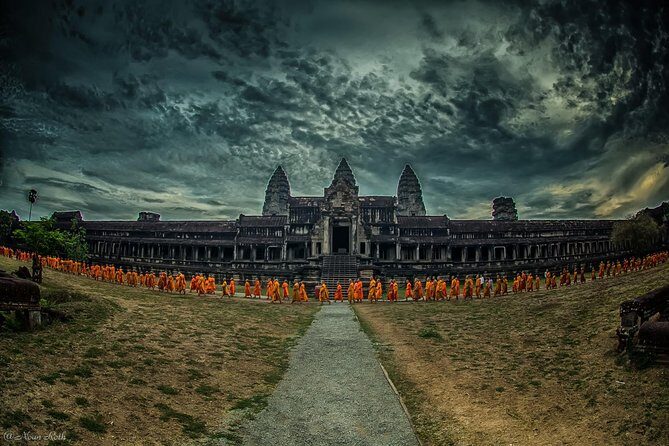
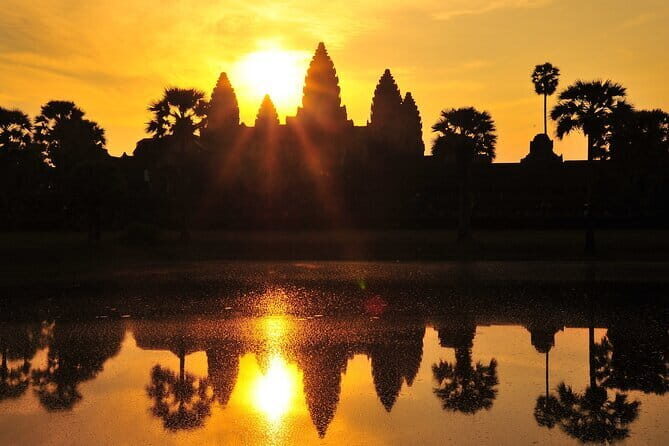
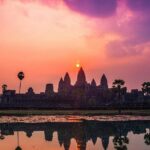
- Angkor Wat at sunrise: why the early start matters
- Angkor Thom: South Gate first, then the main temples
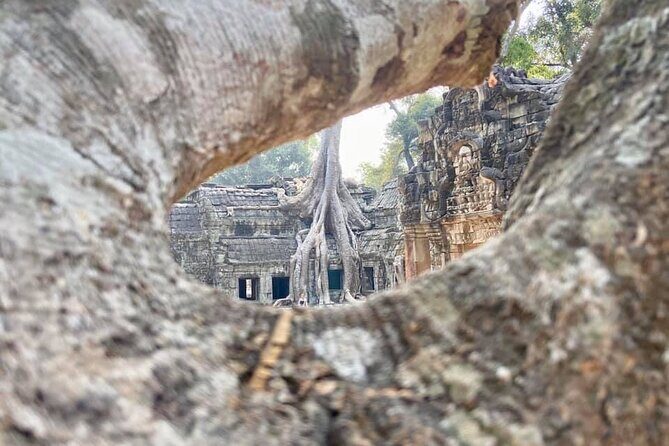
- Ta Prohm: the tree roots, plus context
- One caution for Day 2
- Day 3: Beng Mealea adventure and the Hariharalaya temples
- Beng Mealea: the rough-and-real temple experience
- Bakong: a calmer temple base
- Preah Ko: dedicated to Shiva
- Price and value: $550 per group plus temple pass and meals
- How the itinerary avoids the worst crowd pressure
- Guide quality and driving style: what matters most
- Practical tips to make the most of your 3 days
- Should you book Angkor Cab’s off-the-beaten-track 3-day tour?
- FAQ
- Is this tour private or small-group?
- How long is the Siem Reap 3-day private tour?
- Do you get hotel pickup?
- What time does the tour start?
- Is Angkor Temple Pass included?
- Is food included?
- Are bottled water and admission tickets included?
- What temples and sites are included across the 3 days?
- Do I need moderate fitness for this tour?
- What if I need to cancel?
Key highlights to look for
- Up to 3 people, private feel with your own driver and guide
- Hotel pickup plus bottled water to keep things comfortable
- Sunrise Angkor Wat with an early start timed for the best experience
- Less-crowded temples on Day 1 and Day 3 to balance the big names
- Tonle Sap Lake included for a real look at everyday Cambodia beyond Angkor
- Flexible custom tweaks if you ask for different start/finish times ahead of booking
Why a private 3-day Angkor plan is worth it
Angkor is huge. Even when you think you know what you want to see, the hardest part is often logistics: where to park, when to arrive, how to beat tour-group waves, and how to stay comfortable while walking in heat and humidity.
This private setup helps because you’re not tied to a big bus schedule. You get a driver who picks you up, keeps the car ready, and handles the road time between sites. The tour also includes bottled water, which sounds basic, but it matters when you’re doing long temple days.
The guide element is the other key piece. Temple ruins can look like piles of stone if you’re reading on your own. With an English-speaking temple guide, you get explanations on-site as you go, so the carvings, layouts, and temple purpose start making sense instead of feeling like random details.
The most practical benefit, though, is stress control. When you’re not fighting crowds, you can linger where you want and skip what you don’t. That’s the promise of an “off the beaten track” style itinerary: you still see the classics, but you’re not forced to experience everything at full volume.
Other private tours in Siem Reap
Setting expectations: timing, comfort, and walking level
This tour is about 3 days. The meeting point listed is a 9:00 am start, but one day is intentionally different because you’ll start very early for the sunrise at Angkor Wat.
You should have a moderate physical fitness level. That doesn’t mean climbing mountains. It means you’ll be walking around temple grounds, spending time outdoors, and doing a few transfers with short stops along the way.
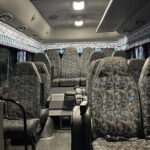
Comfort-wise, expect a car with air conditioning and water. In the best kind of private-tour experience, the vehicle is ready when you need it, and you’re not standing around while other groups reshuffle.
Day 1: Pink Banteay Srei, quiet temples, and Tonle Sap Lake
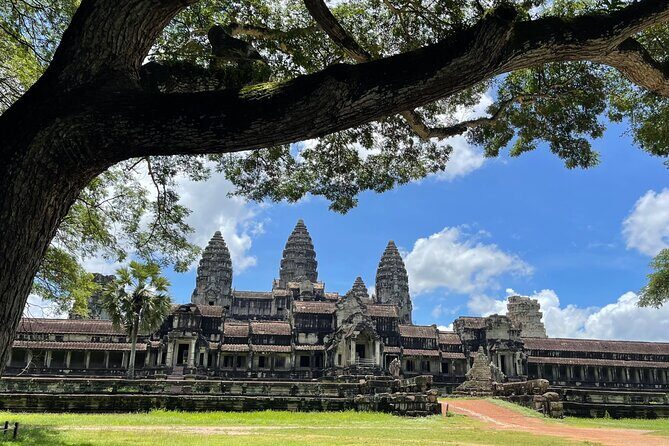
Day 1 is built like a gentle on-ramp to Angkor. You start with temples that are famous, but not always where the biggest crowd crush lands first.
Banteay Srei: the 10th-century pink temple stop
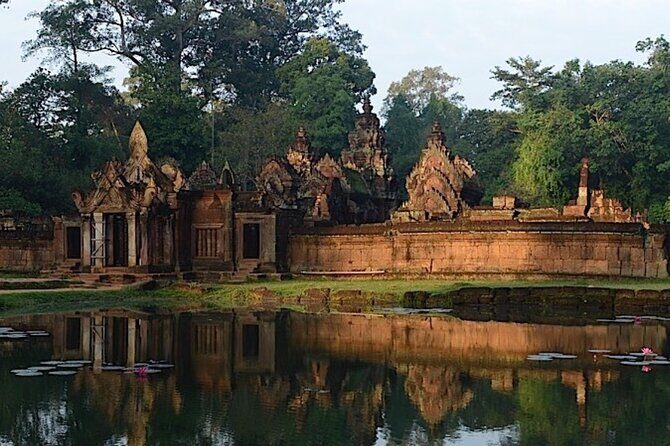
Your first major stop is Banteay Srei, known for that pink stone look. You’ll spend about an hour exploring here. What I like about starting with a smaller, visually striking temple early is simple: you get your eyes trained. After a sunrise day later, you’ll already understand what kinds of carvings and layout details you should notice.
This stop also includes a proper guide explanation on-site, so you’re not guessing what you’re looking at.
Banteay Samre: next-door scale and context
After that, you move to Banteay Samre, around a 45-minute visit. It’s located about 400 meters east of East Baray and linked to King Suryavarman II. That kind of placement matters because it helps you connect temples to the larger Angkor city system rather than treating each ruin as a standalone postcard.
A few more Angkor & Siem Reap tours and experiences worth a look
Banteay Kdei: a Buddhist temple feel near Ta Prohm
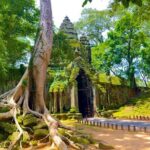
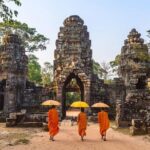
Then it’s Banteay Kdei for about an hour. This one is described as a citadel of chambers, built from the mid 12th to early 13th century under King Jayavarman VII. It’s also positioned in the general Ta Prohm area, so your day transitions from one temple zone to another without feeling like you’re leapfrogging across the entire region.
Between stops you’ll have a local lunch, but food is not included in the tour price. The good news is you’re free to choose what you like, and the stated local lunch budget range is about $5 to $10 per person. If you prefer to eat the local way, this is your moment to do it without locking yourself into one menu.
Srah Srang: the largest pool stop
After lunch, you head to Srah Srang, the large manmade water reservoir described as the largest swimming pool in the world, built in the mid 10th century and modified later by King Jayavarman VII.
It’s only about 30 minutes, which is great. You get a break from temple walking and a chance to see how waterworks shaped daily life and religious settings in Angkor.
Tonle Sap Lake: real Cambodia beyond the ruins
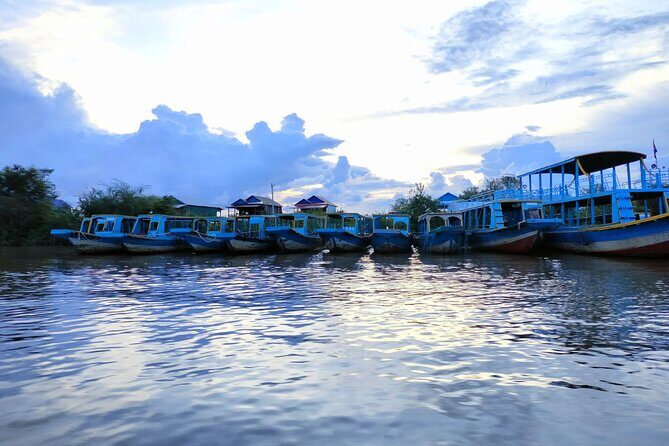
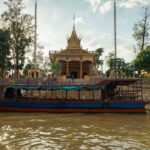
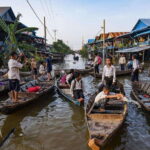
Finally on Day 1, you go to Tonle Sap Lake for around two hours. The tour notes the lake’s size changes dramatically between wet and dry seasons, expanding to about 10,000 square kilometers in wet season and about 3,000 in dry season.
This is one of the more valuable parts of the trip if you’re only planning Angkor sites. Tonle Sap adds the bigger picture: this is a working region, not just a museum of ruins.
Practical note: you’ll want a camera ready, and you may also want light layers. Time outdoors here can feel different than in temple shade.
Day 2: Sunrise at Angkor Wat, then Angkor Thom and Ta Prohm
Day 2 is the headline day. You start early. The plan calls for pickup early enough that you reach Angkor Wat around 30 minutes from your hotel, with a sunrise viewing time.
Angkor Wat at sunrise: why the early start matters
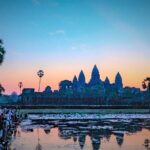
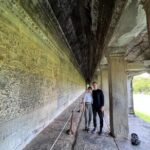
You’ll start around 5:00 am for Angkor Wat and spend about three hours on site. Sunrise is the classic reason people set alarms, but the real advantage of this tour’s early timing is simple: you get to see the main temple without feeling like you’re constantly stepping around other groups.
What I like about making Angkor Wat day two is pacing. After the orientation-style day 1, you’re ready to focus. You know what to look for and how to read the space.
Angkor Thom: South Gate first, then the main temples
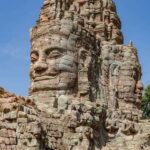
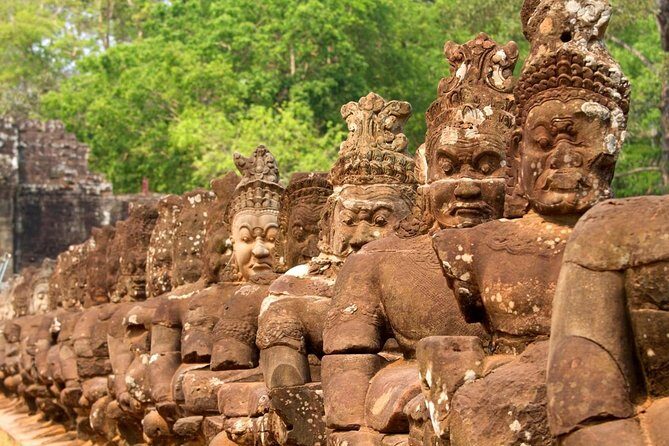
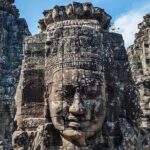
Next you head to Angkor Thom, and you stop at the South Gate for pictures before moving into the main temples. This part is about two hours. Even if you’ve seen photos, being there lets you understand the city scale.
The guide’s on-site explanation helps here too. Angkor Thom works best when you get the story of how the gates and temple centers fit together.
Ta Prohm: the tree roots, plus context
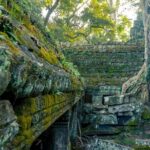
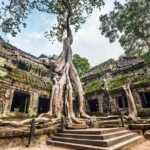
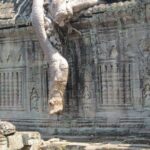
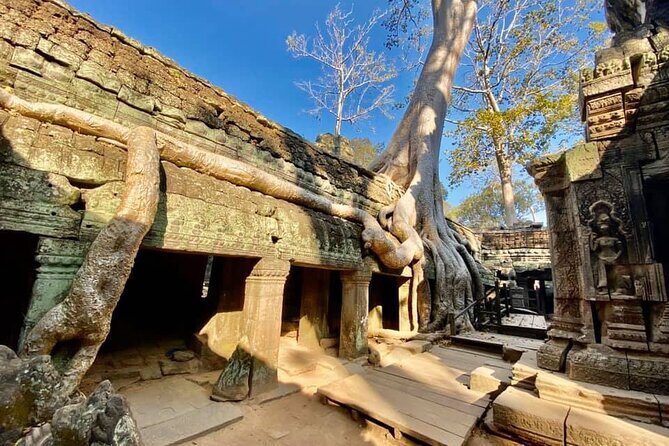
Then you go to Ta Prohm for about an hour. The tour mentions stopping along the way at a stone bridge where trees grow on top. Those small in-between moments can add up and make the day feel less like a conveyor belt.
A lunch break is mentioned, though the details depend on what you choose, since food isn’t included. If you’re sensitive to heat, plan to hydrate and avoid delaying too long between temple stops.
One caution for Day 2
Day 2 is the longest-feeling day because sunrise means early fatigue. Bring comfortable shoes and plan for a real midday rest in the shade when you can. With a private driver, you can do that better than with group tours.
Day 3: Beng Mealea adventure and the Hariharalaya temples
Day 3 leans into the “off-the-beaten-track” promise. You visit Beng Mealea, then Bakong, then Preah Ko, which the itinerary links to the ancient Khmer capital city Hariharalaya.
This is where the trip starts to feel more like you’re learning the broader Angkor region. Day 1 and Day 2 show the anchor sites. Day 3 adds depth through city logic and temple history.
Beng Mealea: the rough-and-real temple experience
You go to Prasat Beng Mealea around 9:00 am and drive about 1.5 hours to reach it. The visit is about three hours.
This stop tends to feel different from the polished major temples. The ruins are part of the landscape, and you’ll likely spend time walking around to understand the layout. The guide helps you make sense of what’s where instead of only telling you what to photograph.
Also, along the road, the itinerary notes you’ll see local daily activities. That’s one reason I like this day: it’s less about checking boxes and more about seeing Cambodia as it exists now.
Bakong: a calmer temple base
Next is Bakong for about 40 minutes. It’s described as an ancient Khmer capital city temple area (Hariharalaya) built in the 9th century by Shiva King Indravarman I.
This stop works well after Beng Mealea because it’s a shift from adventure-ruins mode into more structured temple viewing. Even if you don’t memorize dates, a guide’s explanations help you see how these sites connect.
Preah Ko: dedicated to Shiva
Finally you visit Preah Ko for about 30 minutes. It’s described as the Sacred Bull and the first temple built in Hariharalaya in 879, dedicated to god Shiva.
The quick timing here is smart. By the end of Day 3, you want a finish that doesn’t drain you. You get a meaningful last temple without the day turning into an endurance contest.
Price and value: $550 per group plus temple pass and meals
At $550 per group (up to 3), the cost works out differently depending on how many people you put in your group.
- If you book the full 3 people, it’s about $183 per person for the 3-day package.
- If you’re just 2 people, it’s about $275 per person.
What makes the price feel fair is what you get included:
- Private driver
- Professional guide
- Bottled water
- Private tour format
- Pickup and a flexible plan to use your time well
What makes the math necessary is what isn’t included:
- Angkor Temple Pass
- Food and drinks (lunch is not included; expected local lunch range is $5 to $10 per person)
- Any other activities fees if needed
My practical advice: budget for the pass and at least a full day’s worth of lunches. That way you don’t get surprised mid-trip.
How the itinerary avoids the worst crowd pressure
The tour’s whole style is “less crowded where you can.” It doesn’t mean you’ll never see other visitors. Angkor is popular. It means the plan mixes major temples with more local or less central sites so your days feel balanced.
Day 1 does that by starting with Banteay Srei, Banteay Samre, Banteay Kdei, then adding Srah Srang and Tonle Sap. That’s a day with variety, which helps you recover mentally and physically.
Day 3 continues the crowd avoidance angle by building in Beng Mealea and the Hariharalaya temples. These are part of the Angkor universe, but the rhythm feels different than bouncing between the same two hotspots all day.
Guide quality and driving style: what matters most
In a place where tempers can run short and traffic can be slow, the driving style becomes a big deal. The tour description highlights safe drivers, and a positive review mentions a private Lexus with air conditioning and cold water ready for the group.
That’s exactly what you want in practical terms:
- you don’t feel rushed between stops
- you can relax during transfers
- you don’t lose time searching for shade or water
- the day stays comfortable even when you’re doing early mornings
On the guide side, English-fluent temple guidance is the difference between looking at stones and understanding what you’re seeing. The itinerary repeatedly notes that your local guide will explain details on-site. That’s the engine that makes the temples feel connected.
Practical tips to make the most of your 3 days
A few small choices can make this trip feel smoother.
- Start early with a good breakfast before sunrise day. The 5:00 am start will feel easier if your stomach is ready.
- Wear shoes you can move in for hours. Temple walking adds up fast.
- Bring a hat and something light for sun protection. You’ll be outdoors at multiple stops.
- Carry cash for meals. Since lunch depends on what you choose, it helps to have flexibility.
- If you want custom timing, ask early. The tour notes you can adjust start and finish times if you inform them in advance.
Should you book Angkor Cab’s off-the-beaten-track 3-day tour?
Book it if you want a private introduction to Siem Reap and Angkor with a smart mix of big-name sights and less crowded temple stops. The combination of private transport, an English-fluent temple guide, and time at Tonle Sap makes it feel like more than just an Angkor checklist.
Skip it (or at least think twice) if you’re trying to keep all-in costs extremely low. The tour price doesn’t include the Angkor Temple Pass and your meals, and those can add up once you’re budgeting for three full days.
If your goal is to see Angkor with less crowd stress and more meaning on-site, this is a strong fit.
FAQ
Is this tour private or small-group?
It’s a private tour/activity, and only your group will participate. The group size is listed as up to 3.
How long is the Siem Reap 3-day private tour?
The duration is approximately 3 days.
Do you get hotel pickup?
Yes, pickup is offered.
What time does the tour start?
The meeting point/start time is listed as 9:00 am, but for Angkor Wat sunrise day, the itinerary calls for starting around 5:00 am.
Is Angkor Temple Pass included?
No. The Angkor Temple Pass is listed as not included.
Is food included?
Food and drinks are not included. Lunch depends on food you like and is expected to be about $5 to $10 per person (byo).
Are bottled water and admission tickets included?
Bottled water is included. Admission tickets for the temple stops are listed as not included.
What temples and sites are included across the 3 days?
The itinerary includes Banteay Srei, Banteay Samre, Banteay Kdei, Srah Srang, Tonle Sap Lake, Angkor Wat (sunrise), Angkor Thom, Ta Prohm, Prasat Beng Mealea, Bakong, and Preah Ko.
Do I need moderate fitness for this tour?
Yes. Travelers should have a moderate physical fitness level.
What if I need to cancel?
Free cancellation is available. You can cancel up to 24 hours in advance for a full refund; cancellations less than 24 hours before the start time are not refunded.