A quick walk can save you days. This private Siem Reap tour strings together temples, local food stops, and a finish at Pub Street, with a local guide keeping the story grounded in daily life. I love that it’s built around what locals actually do, not just what you pose beside. I also like that most stops are listed with free admission, so you’re not nickel-and-dimed. One possible drawback: it’s a 3-hour on-your-feet circuit, and the included tasting is a small part—so go in hungry and comfortable shoes first.
You meet at Pokambor Avenue (and you end back there), then you’re on a tight loop through old-market lanes, monasteries, and city landmarks, before the night action kicks in. If you want a fast intro that helps you order the right street food later, this format makes sense. If you’re looking for a slow, deep sit-down experience, you might prefer a longer temple-focused day.
In This Review
- Key things to know before you go
- A 3-Hour Siem Reap Welcome You Can Actually Use Later
- Meeting at Pokambor Avenue and Planning Your First Night
- Old Market Start: Bodia Spa Pub Street and the City’s “Everyday” Side
- Wat Preah Prom Rath: Learning Monk Life Without Getting Lost in Labels
- Preah Ang Chek Preah Ang Chom: A Temple Stop Focused on Luck and Happiness
- Angkor National Museum: A Practical Stop to Build Meaning
- Sok Heng Drink Shop: The Included Snack That Grounds the Tour
- Wat Preah An Kau Saa and Wat Preah Enkosey Monastery: Quiet Stops With Real Community Touchpoints
- Royal Residence: Not a Palace, a Residence With Local Meaning
- Pub Street Finish: Street 8 Energy and How to Turn This Into Dinner Plans
- What You Really Get for $49.58: Private Guide Value, Free Entries, and Tight Time
- Who Should Book This Private Tour (and Who Might Skip It)
- Should You Book This Siem Reap Private Tour?
- FAQ
- How long is the private tour?
- Is this tour private or group-based?
- Where do I meet the guide?
- Where does the tour end?
- Is hotel pick-up or drop-off included?
- What’s included in the price?
- Is admission included for the stops?
- What does the tour include besides temples?
- What should I bring or consider for comfort?
- Is there a cancellation option if plans change?
Key things to know before you go
- Private means only you and your local guide, so you can ask questions without a crowd noise layer.
- Most stops are listed with free admission, which helps keep your day’s costs predictable.
- Food and drink tasting is included (plus one local drink/tasting overall), so plan your appetite accordingly.
- You’ll hit nine culture stops in about three hours, so think short visits and lots of talking.
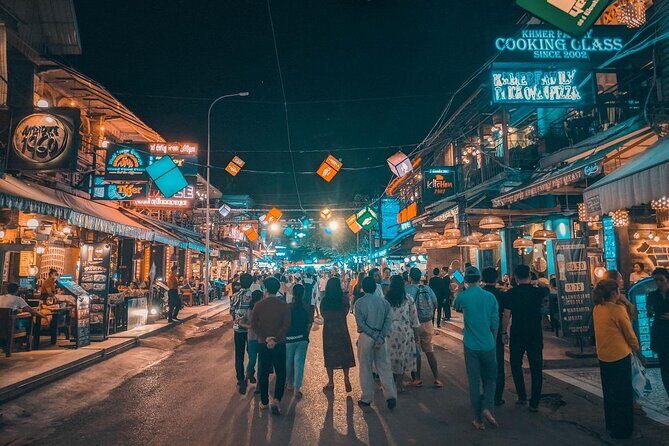
- The tour ends in Pub Street (Street 8), so you can roll straight into dinner and drinks.
A 3-Hour Siem Reap Welcome You Can Actually Use Later
The best tours do two things: they teach you something, and they help you navigate without stress. This one does both. You start in the old market area, then shift through Buddhist temples and monastic spaces where everyday Khmer life shows up through practice and routine. It’s not a long, slow march—it’s a sequence of short stops that make the city feel connected.
What I like most is the pace. Each stop is brief enough that you won’t get temple-fatigued, but there’s enough time at each one to learn what locals value there. This matters in Siem Reap, because temples can look similar if you don’t have context. With a local guide, you start noticing differences in purpose and meaning, instead of just the stonework.
The other practical win is the ending. The tour finishes at Pub Street, so when you leave the last stop you’re standing where dinner decisions actually happen. If you want a smooth first night in town, this structure is a handy shortcut.
Other Siem Reap city and countryside tours we've reviewed in Siem Reap

Meeting at Pokambor Avenue and Planning Your First Night
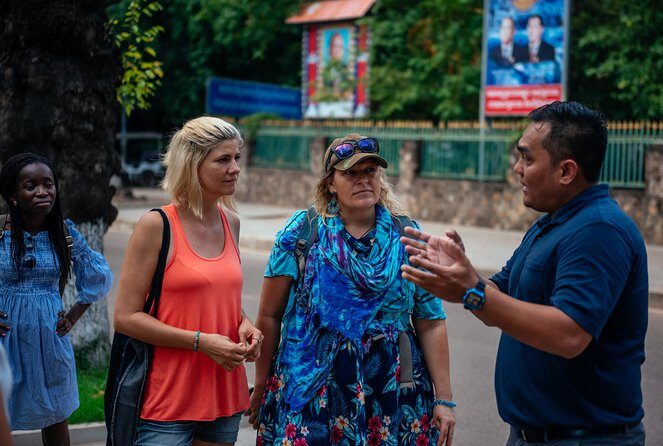
You meet at Pokambor Avenue in Siem Reap, then the tour ends back at the same meeting point. There’s no hotel pick-up or drop-off included, so build that into your plan. If you’re staying close to the river area or the central district, this is easy. If you’re farther out, you’ll want to arrange an early ride so you don’t have to rush.
Also, it’s “private tour” in the real sense: you and your local guide. That tends to improve the quality of time spent at each stop, because the guide can match your pace and your questions. In Siem Reap, questions are half the fun—people ask about religion, food, and daily routines, and a guide can translate those themes in plain language.
One more detail worth respecting: the tour is listed as moderate physical fitness. The stops are not deep hikes, but it’s still a three-hour walking-and-stopping route. If you hate long walking stretches, bring water and take advantage of the brief breaks rather than powering through.
Old Market Start: Bodia Spa Pub Street and the City’s “Everyday” Side
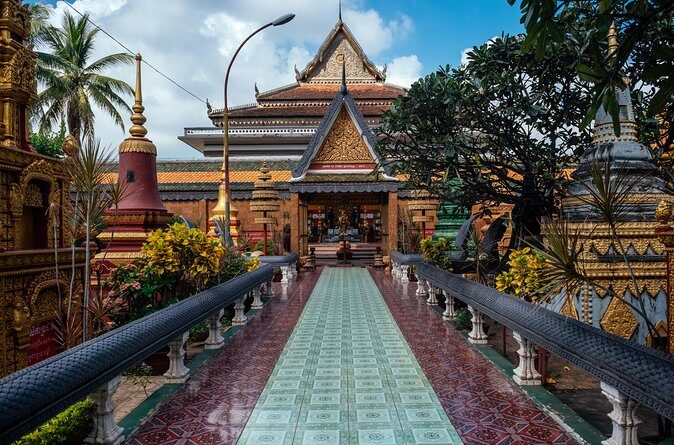
The tour begins at Bodia Spa on Pub Street, with a short walk around the old market. This opening matters because it sets the tone. Instead of starting with a postcard temple, you start with trade, stalls, and the kind of street bustle where locals actually spend their day.
You get a first look at how the market area feels when it’s not a crowd-free museum hallway. You’ll also get guide-led context that helps later stops make more sense. For example, when you understand how people think about luck, luck-bringing prayers, and daily habits, temples stop feeling like “just another stop” and start feeling like part of a lived culture.
If you’ve only come to Siem Reap for Angkor, this early-market start is a nice counterweight. It reminds you the city is more than the big-ticket temples beyond town.
Wat Preah Prom Rath: Learning Monk Life Without Getting Lost in Labels
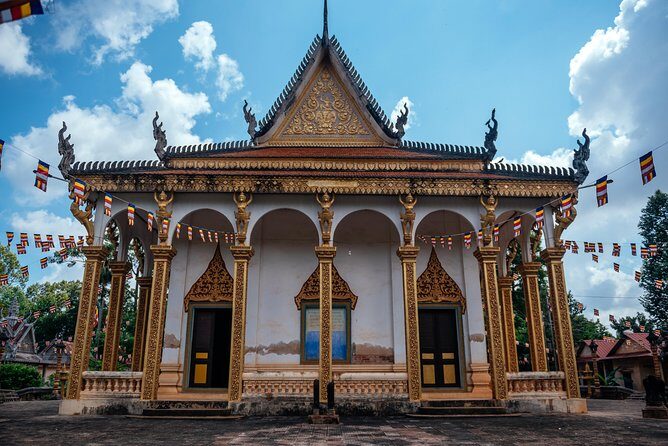
One stop is Wat Preah Prom Rath, a peaceful temple complex. Here you’ll learn about life as a monk from your local host. That’s valuable because Buddhism in Cambodia is not just buildings—it’s a system of practice, roles, and community rhythms.
This is also where you can set your expectations. If you’re hoping for dramatic “touristy” visuals, you might feel it’s quieter than you expect. But if you’re curious about daily spiritual life—how people move through ceremonies, how monks are viewed in the community—this stop gives you that human angle.
Time here is short (about twenty minutes), so don’t come in expecting a full lecture. Instead, treat it like an orientation: ask one or two questions, listen for the big picture, and then carry that understanding with you to the next religious sites.
Preah Ang Chek Preah Ang Chom: A Temple Stop Focused on Luck and Happiness
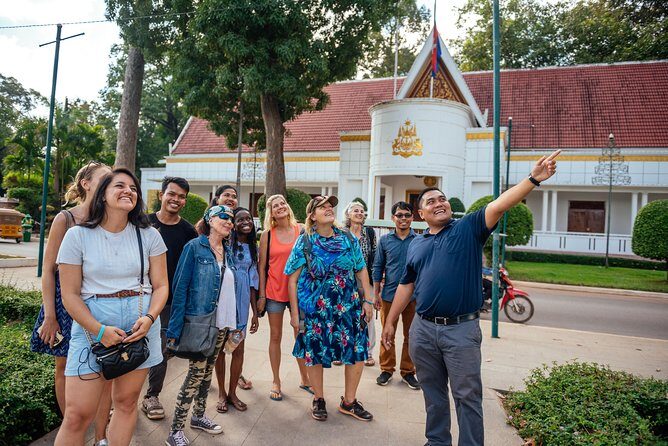
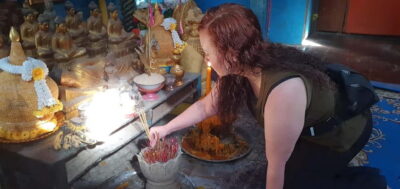
Next up is Preah Ang Chek Preah Ang Chom Temple, described as one of the most sacred spots where locals pray for happiness and luck. That phrasing is key. It signals the “why” behind the visit, not just the “what” of architecture.
This is the kind of stop where you’ll get a more personal explanation of how prayer fits into ordinary hopes—good fortune, well-being, and the idea that faith is part of daily planning. Even if you’re not deeply religious, it’s a strong way to understand what brings people inside.
Short visit time here (around fifteen minutes) also means you’ll want to ask the guide what locals typically focus on. Then you can look around with a clearer lens instead of scanning for random details.
Other private tours in Siem Reap

Angkor National Museum: A Practical Stop to Build Meaning
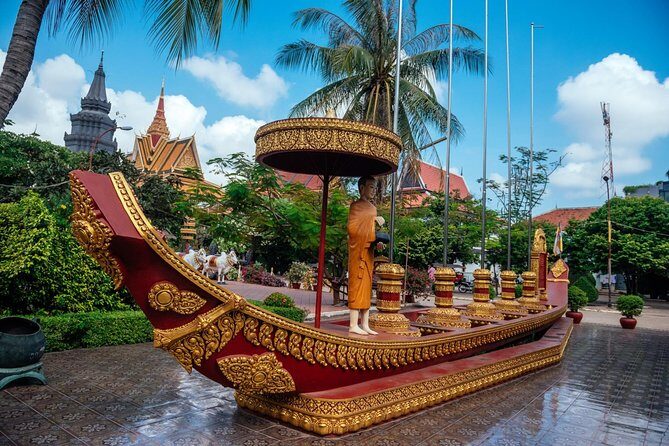
The tour includes a stroll past Angkor National Museum, with the local guide explaining its contents. Since you’re not spending hours inside, the goal is different than a full museum visit. You’re getting the “map” before you go deeper on your own—or decide whether a later museum session is worth your time.
This kind of stop helps in Siem Reap because the city’s identity is tied to Angkor-era culture and Cambodian storytelling. If you plan to visit major sites later, museum context can make your day feel less like seeing objects and more like understanding an era.
I like this arrangement because it keeps your morning/early evening energy. You don’t blow the whole day on one institution—you gather context and still keep time for food and street life.
Sok Heng Drink Shop: The Included Snack That Grounds the Tour
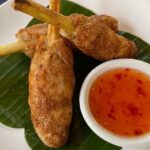
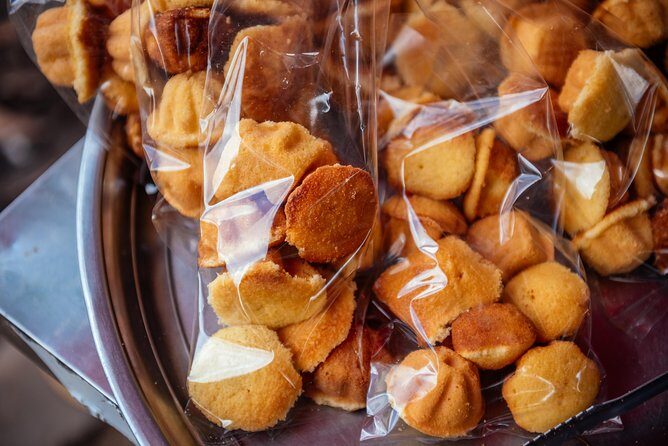
At Sok Heng Drink Shop, the focus shifts to flavors, smells, and aromas of a local market, plus a tasty snack. This is one of the moments that turns a temple-heavy route into a balanced experience.
Also, the tour includes one local drink/tasting overall, so this is the likely place you’ll feel that inclusion. Still, tastings can be a moving target depending on what’s available that day. If something seems unclear, ask early—then you’ll know what you’re getting rather than waiting.
This is a great stop for picky-but-curious eaters. You’re not forced into a big meal. You’re learning what locals consider normal, which helps you make better choices later when menus and drinks start looking confusing.
Wat Preah An Kau Saa and Wat Preah Enkosey Monastery: Quiet Stops With Real Community Touchpoints
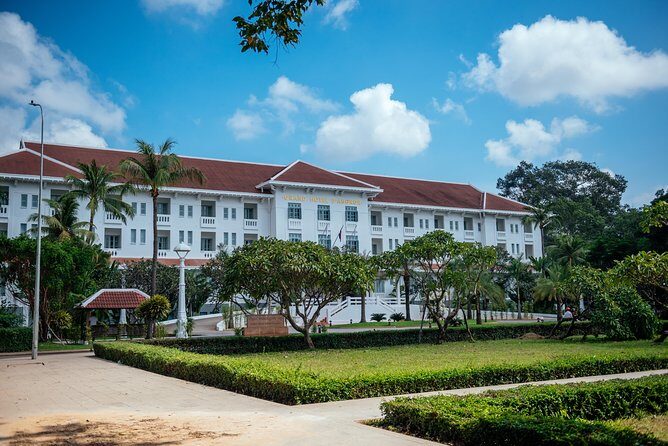
You visit Wat Preah An Kau Saa, another serene temple stop where you hear about local traditions. Then later you’ll go to Wat Preah Enkosey Monastery, which is described as one of the oldest monasteries in the city.
What I find most useful here is the “community” angle. At Wat Preah Enkosey, you’ll pass by a local school and visit a traditional coffee house that aims to teach locals about traditions and culture from their history. That means you’re not only seeing religion—you’re seeing education and memory in action.
Time here is longer (about thirty minutes at that monastery stop), so you have room to slow down a bit, look around, and absorb the human side. If your Angkor day felt intense, this kind of stop can be a mental reset.
Royal Residence: Not a Palace, a Residence With Local Meaning
Another stop is the Royal Residence, sometimes casually called a royal palace, but described here as a residence when the king is in town. That detail matters. It’s one of those small clarifications that prevents misconceptions and keeps your understanding accurate.
This stop is a “pass by” format (around fifteen minutes). So think of it as an observation moment, not a deep access experience. Still, it can be useful if you want your city tour to include power and governance as part of daily geography, not just cultural sites.
Even from the outside, it gives you a different angle on Siem Reap: it’s not only temples and markets. It’s also a living administrative center.
Pub Street Finish: Street 8 Energy and How to Turn This Into Dinner Plans
You end at Pub Street, officially titled Street 8. The description frames it as the center of action as night falls, from the Red Piano Restaurant area to Banana Leaf Restaurant.
This ending is smart because you finish where you can immediately convert information into choices. Want Khmer food? Want a casual drink? Want to people-watch for a while before committing to dinner? Pub Street is where those decisions happen.
One practical tip: if you’re not in the mood for nightlife right away, you can still use Pub Street as a marker. The guide gets you oriented, and then you can choose to stay on that central strip or drift out toward quieter streets when the noise feels like too much.
The tour is short at the end (about fifteen minutes), so don’t expect a guided hangout. Instead, use the final stop as your handoff into the evening.
What You Really Get for $49.58: Private Guide Value, Free Entries, and Tight Time
At $49.58 per person for a private tour lasting around three hours, the value comes from three things:
First, it’s private. You’re paying for your own local guide time, not a shared group schedule that limits questions. In a city like Siem Reap, that matters because guides often explain how religion, markets, and everyday life connect.
Second, many stops are listed with free admission. That reduces the risk of surprise costs. It also lets you spend your money on experiences that aren’t already built into entry fees—like the food you decide to try after the tour.
Third, the included local drink/tasting gives you an immediate payoff. Even if you only try one small item, it anchors the tour in flavor, not only sightseeing.
There’s one consideration: the tasting is limited. Don’t schedule a big hunger-free day expecting the tour to “handle” dinner. Think of this as a taste plus orientation, not a full meal program.
Who Should Book This Private Tour (and Who Might Skip It)
This works best for you if:
- You want a fast, organized introduction to Siem Reap’s city life beyond Angkor.
- You like a guide-led mix of temples, markets, and local food moments.
- You value flexibility and quiet explanations over long, drawn-out visits.
It might not be ideal if:
- You prefer long time at fewer places rather than multiple short stops.
- You’re not interested in Buddhist and monastery context at all.
One small note from guide-style patterns you’ll likely notice: the route tends to rely on clear English and patient explanations. Some guides on similar private circuits in Siem Reap—like Long, Nak, Aaron, and Ly—are praised for being attentive and answering questions. Even if your guide is different, this tour format is designed to support that kind of conversation.
Should You Book This Siem Reap Private Tour?
Yes, if you’re in Siem Reap for a limited number of days and you want your time to feel connected. This private route helps you understand what you’re seeing before you head deeper into temples later, and it hands you off right where you can eat and plan the rest of your night.
I’d book it especially if you like local-market energy and you want a guide to explain what prayers and traditions mean in real life. If you dislike walking for three hours or you want heavy museum time, you might choose a different format.
FAQ
How long is the private tour?
It runs for about 3 hours.
Is this tour private or group-based?
It’s a private tour, meaning only you and your local guide.
Where do I meet the guide?
The meeting point is Pokambor Avenue in Krong Siem Reap, Cambodia.
Where does the tour end?
It ends back at the meeting point.
Is hotel pick-up or drop-off included?
No, hotel pick-up and drop-off are not included.
What’s included in the price?
You get a private tour, a local guide, and 1 local drink or tasting.
Is admission included for the stops?
Each listed stop in the plan shows admission ticket free.
What does the tour include besides temples?
You’ll also visit market and drink/snack spots, pass by the Angkor National Museum, and end at Pub Street.
What should I bring or consider for comfort?
The tour is listed for moderate physical fitness, so comfortable walking shoes and water are a good idea.
Is there a cancellation option if plans change?
Free cancellation is available if you cancel up to 24 hours in advance for a full refund.